Tour to Nilometer, Manial Palace, and City of the Dead with Felucca Ride – The Hidden Soul of Cairo

Duration

10 Hours

Max People

30

Min Age

1 Year

Pickup

Arranged location

Explore Cairo’s Hidden Soul – Nilometer, Manial Palace & City of the Dead with Felucca Ride

Overview

Experience Cairo Beyond Landmarks
Duration: 8–9 Hours
Tour Type: Private Tour
Category: One Day Tour
Availability: Everyday
Pick-up Time: From 08:00 AM to 10:00 AM
This exclusive, immersive private tour goes far beyond Cairo’s typical tourist attractions. Instead of merely visiting famous landmarks, travelers explore the city’s hidden layers of history, culture, science, and human life.
You will experience:
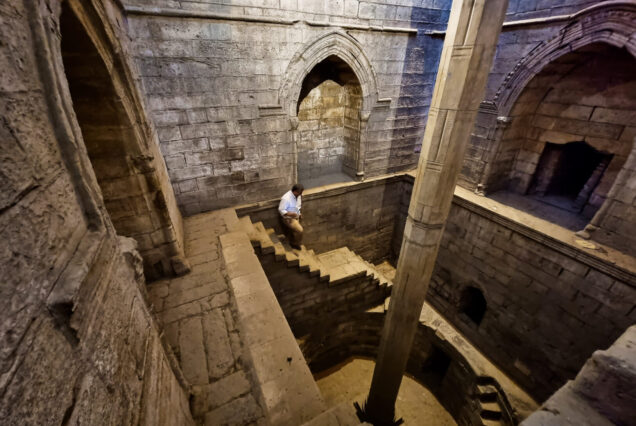
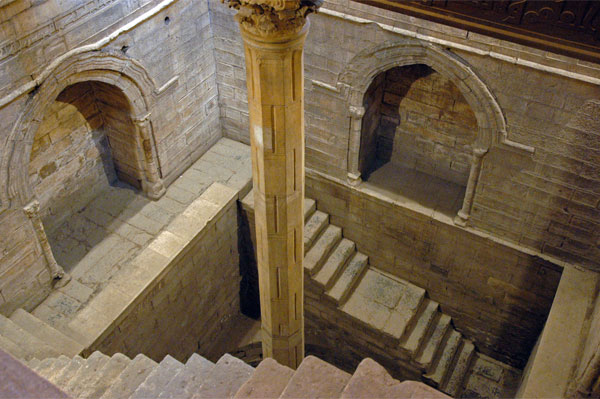
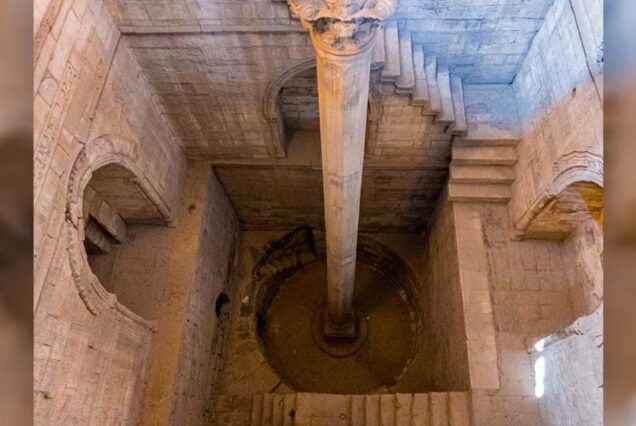
Nilometer – Scientific Mastery of the Nile: How ancient Egyptians and early Islamic rulers measured water levels, predicted floods, and planned the agricultural calendar and taxation system.

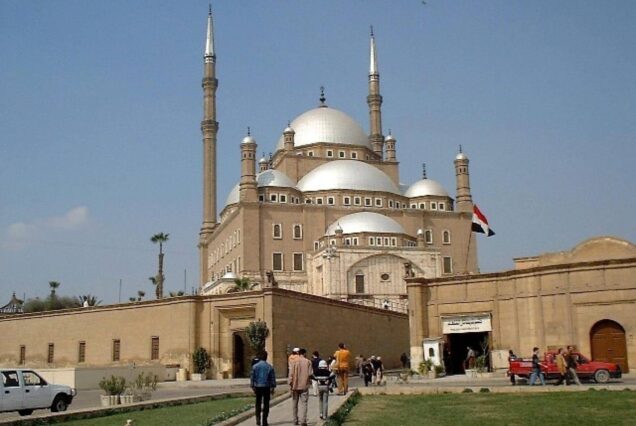
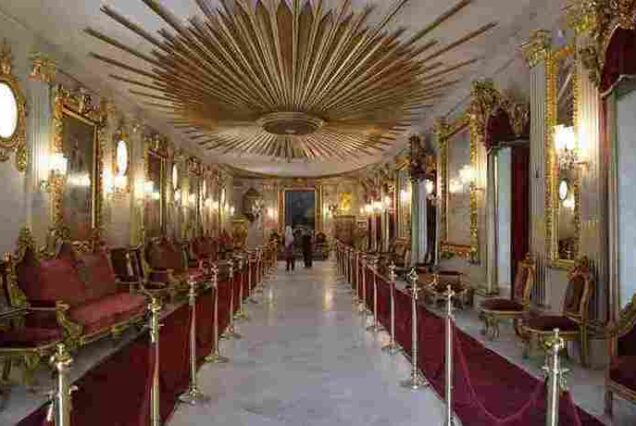
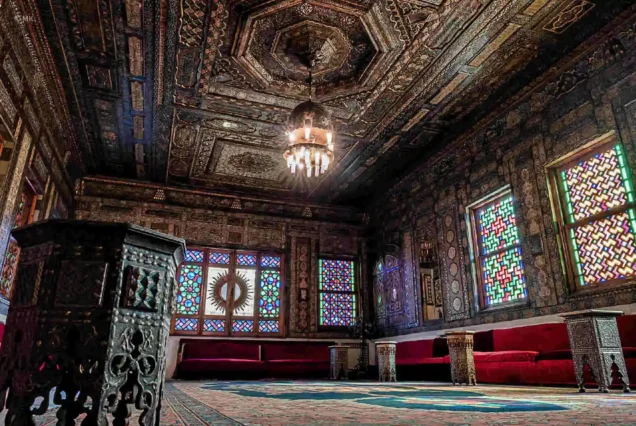
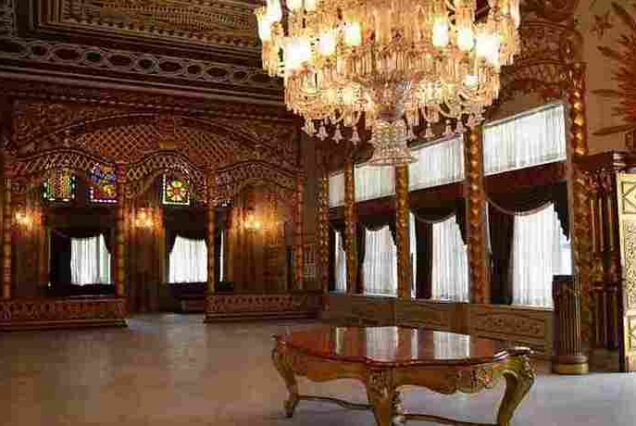
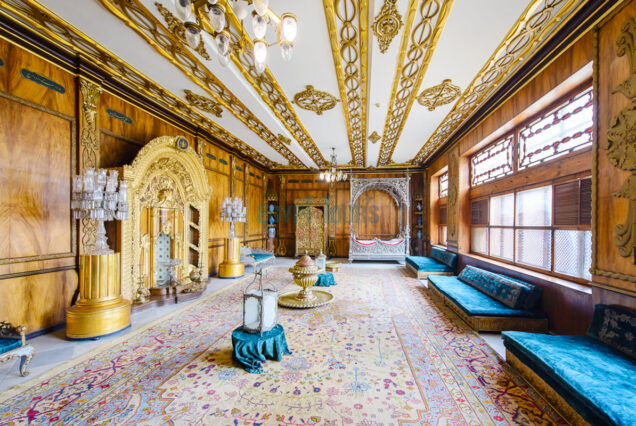
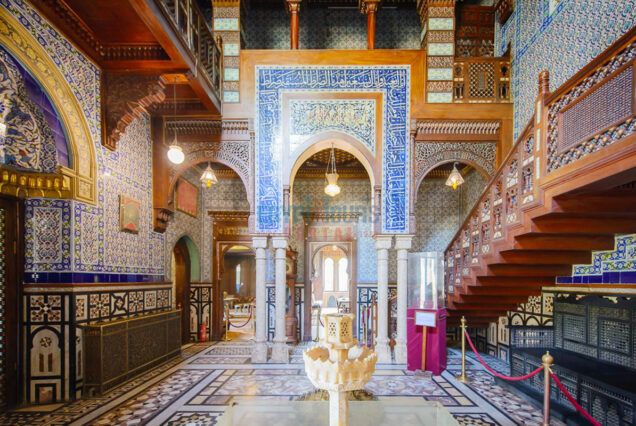
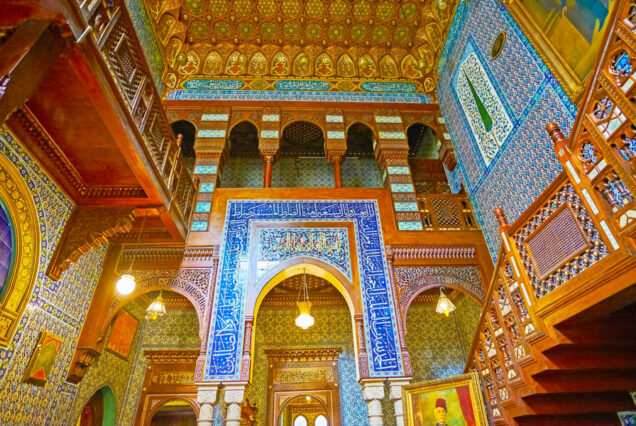
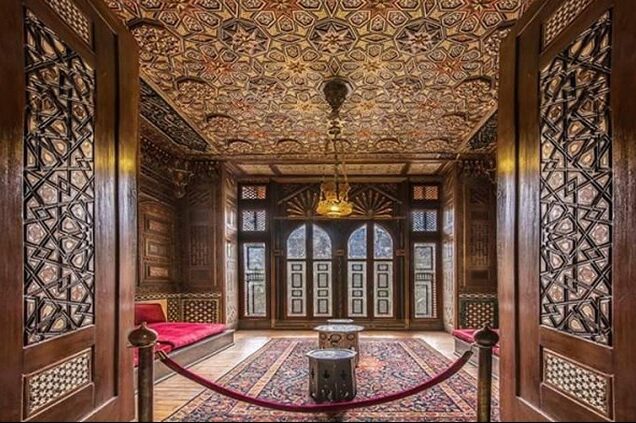
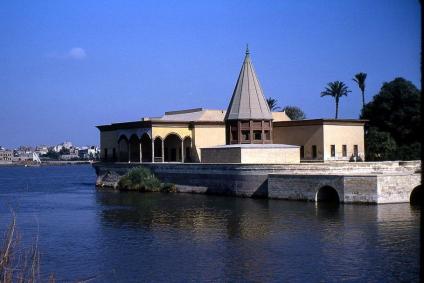
Manial Palace – Royal Artistic Vision: A unique combination of Islamic, Ottoman, Persian, and European influences expressing the identity and power of Egyptian royalty.
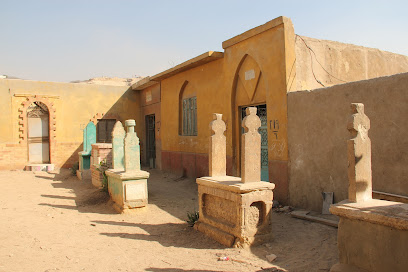
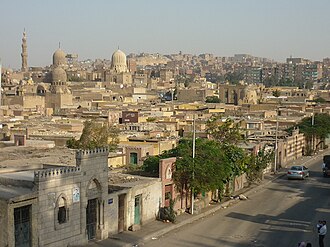
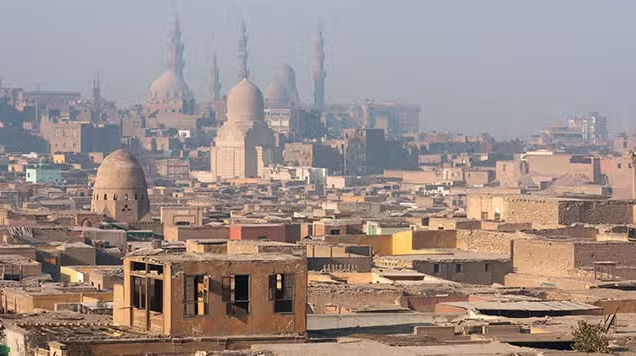
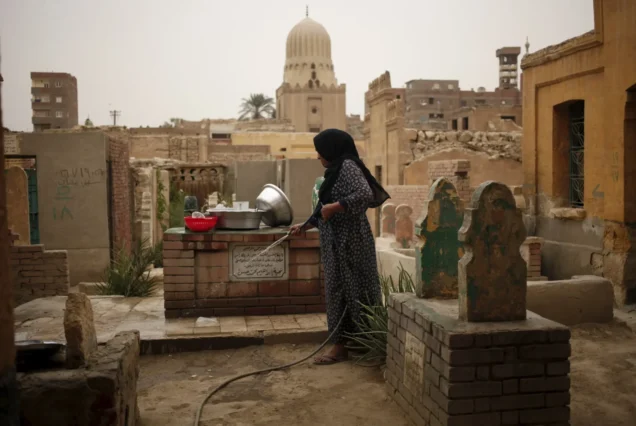
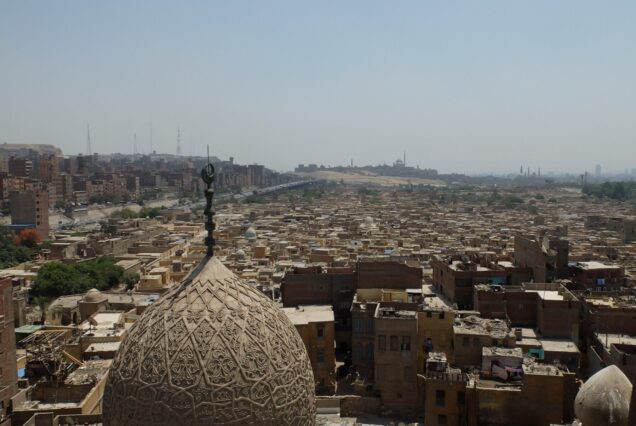
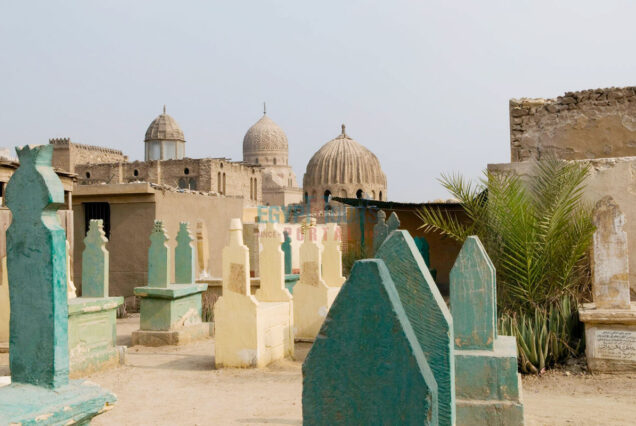
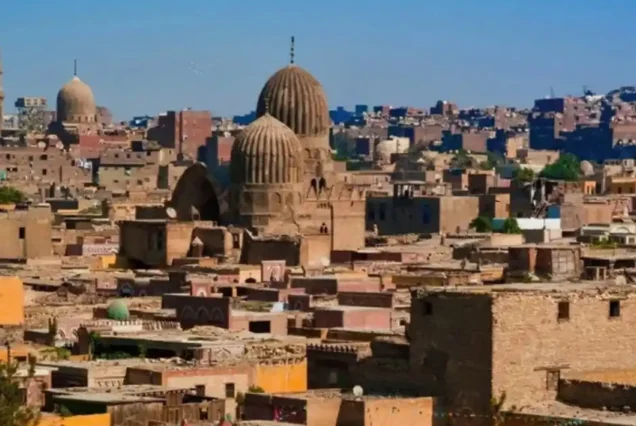
City of the Dead – Adaptation and Modern Life: A living necropolis where daily life thrives among centuries-old tombs, showcasing human resilience and cultural continuity.
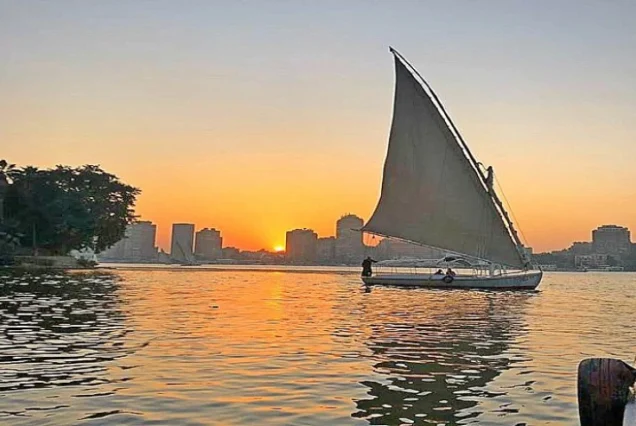
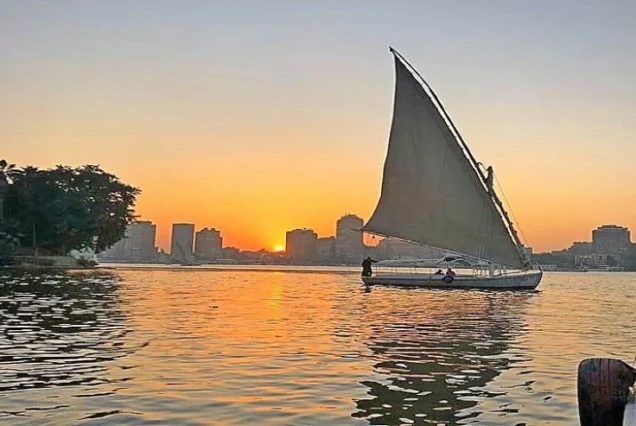
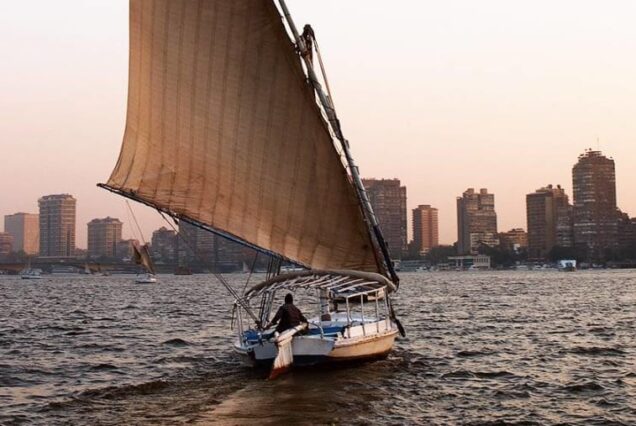
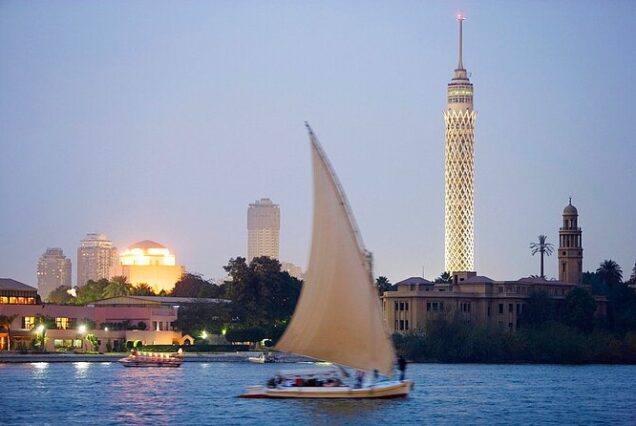
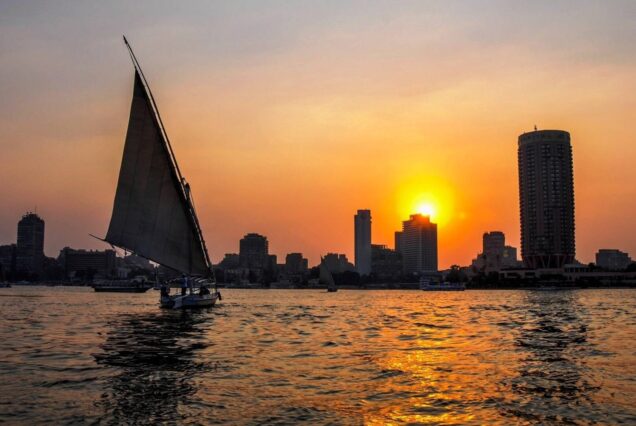
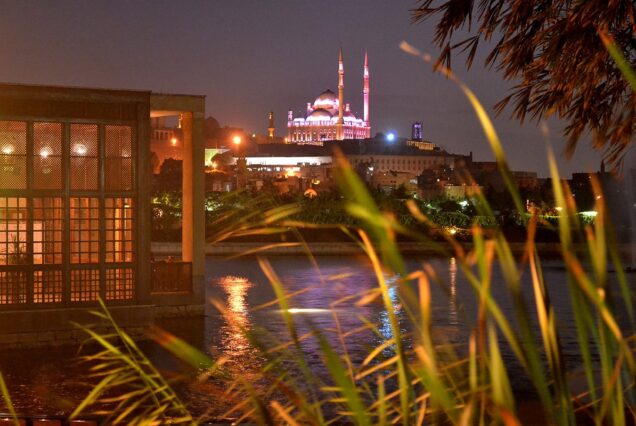
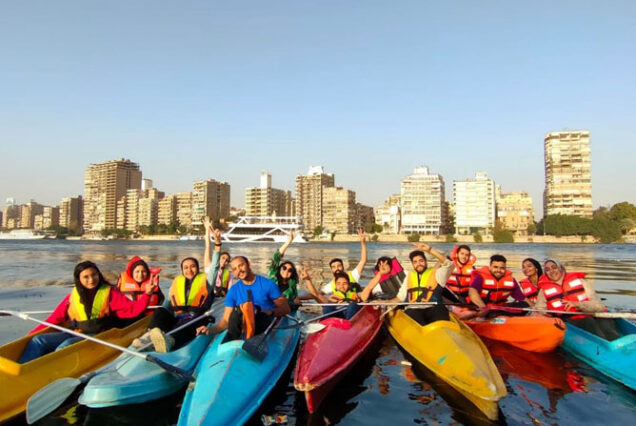
Felucca Ride – Connection with the Nile: A serene sailing experience that lets travelers reflect on the day’s journey and absorb the timeless essence of Cairo along its historic river.
This tour is ideal for travelers who:
Seek meaningful cultural experiences rather than surface-level sightseeing.
Want to understand Cairo’s historical, scientific, and social evolution.
Prefer narrative-driven journeys with context, stories, and insights.
Desire personalized, private exploration in comfort and style.

Tour Highlights

Visit the Nilometer: Learn how ancient civilizations mastered Nile floods for agriculture, taxation, and survival, and explore the engineering brilliance behind this ancient tool.
Explore Manial Palace: Discover royal architecture and gardens blending multiple cultural influences. Gain insight into princely life, art, and cultural sophistication.
Experience City of the Dead: Observe the coexistence of history and contemporary life, from children playing near tombs to families establishing homes within ancient structures.
Felucca Ride on the Nile: Sail peacefully along the Nile, reflecting on Cairo’s evolution and your experiences.
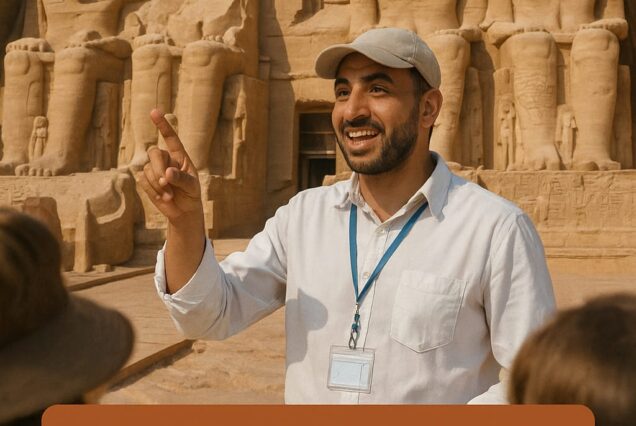
Expert Guided Insights: Receive detailed commentary from a licensed, professional guide, giving context to each location and connecting historical, cultural, and social narratives.

Important Pickup Information
Pickup and drop-off are included from hotels located in Cairo and Giza.
However, pickup or drop-off from the following locations will require an additional transfer fee due to the longer distance from the main tour route:
Cairo International Airport       Sphinx International Airport    New Administrative Capital
New Cairo                                        Heliopolis
Badr City                                          Shorouk City  El Rehab City
Obour City                                       Sheraton Al Matar
Sheikh Zayed City                          Madinaty
These areas are located farther from central Cairo and Giza, and therefore additional transportation costs may apply.

Add-ons:
One-way transfer from/to Cairo Airport: $25
Round-trip transfer from/to Cairo Airport: $60

Included/Excluded

  • Private, modern, air-conditioned transportation for a smooth journey
  • Hotel pickup and drop-off in Cairo or Giza for a stress-free experience
  • Licensed professional guide with expertise in Cairo’s history, art, and culture.
  • Private felucca ride on the Nile.
  • Complimentary bottled water throughout the tour
  • All taxes and service charges included with no hidden costs
  • Light lunch during the felucca ride.
  • Optional activities outside the scheduled itinerary.
  • Entrance fees to all mentioned historical sites
  • Additional meals or drinks not listed.
  • Airport/distant pickup fees.
  • One-way airport transfer — $25
  • Round-trip airport transfer — $60
  • Tips and gratuities
  • Personal expenses
  • Drinks during lunch

Tour Plan

Tour Plan – Chronological Journey Morning – Nilometer (08:30 – 10:30 AM)

Pickup in a private air-conditioned vehicle from your hotel.
Drive to Rhoda Island, home of the Nilometer, one of Cairo’s oldest surviving scientific structures.
Learn how the Nilometer measured the Nile’s levels with astonishing precision, allowing rulers to predict floods, plan agriculture, and manage economic stability.
Explore architectural features, such as staircases leading to water gauges, precise calibrations, and inscriptions.
Understand the social and economic impact: taxes, food distribution, flood prediction, and community planning.
Reflect on the intersection of science, governance, and survival in ancient Egyptian society.

Late Morning – Manial Palace (11:00 – 01:00 PM)

Arrival at Manial Palace, the former residence of Prince Muhammad Ali.
Discover interior decorations:
Islamic geometric patterns symbolizing mathematics and harmony.
Ottoman elements reflecting imperial influence and craftsmanship.
Persian ornamental designs emphasizing refinement and luxury.
European Art Nouveau and Rococo details showing global artistic dialogue.
Stroll through gardens with rare plants, symbolic fountains, and carefully arranged landscapes.
Gain insight into the prince’s vision, cultural identity, and historical context, understanding how art, architecture, and power intertwine.
Explore the palace’s hidden stories, including personal objects, private rooms, and ceremonial spaces.

Afternoon – City of the Dead (01:30 – 03:30 PM)

Explore the City of the Dead, an extraordinary urban necropolis.
Observe how modern residents live among ancient tombs, creating a unique urban ecosystem.
Witness daily life: children playing, markets forming, families working, and explore how adaptation has transformed centuries-old cemeteries into vibrant communities.
Understand urban sociology, community resilience, and spatial adaptation, gaining a rare perspective on Cairo’s social dynamics.
Learn about historical tombs, notable mausoleums, and their cultural significance, connecting the past and present.

Late Afternoon – Felucca Ride on the Nile (04:00 – 05:30 PM)

Board a traditional felucca for a gentle sail along the Nile.
Reflect on the day’s journey through history, art, and human life.
Enjoy the sunset, river breeze, and panoramic views of Cairo from a tranquil vantage point.
Light lunch is served on board, allowing time for contemplation and discussion.
Return to your hotel with a holistic understanding of Cairo, combining intellectual, emotional, and cultural insights.

In the Depth – Cairo’s Layers Explained In the Depth – Nilometer (Scientific Genius and the Nile’s Lifeline)

Origins and Historical Context

  • The Nilometer, built in Pharaonic times and used throughout Islamic Cairo, measured the Nile’s annual water levels.
  • Its creation reflects ancient Egyptians’ deep understanding of hydrology, astronomy, and social planning.
  • The Nile’s height directly affected:
    • Agriculture: determined planting, harvesting, and irrigation schedules.
    • Taxation: officials calculated taxes according to expected crop yields.
    • Urban Planning: helped protect cities from floods or droughts.
    • Food Security & Social Stability: prevented famine by predicting scarcity and surpluses.
  • Civilizations flourished or declined depending on accurate readings of the river, showing the profound link between nature and governance.

Engineering and Architectural Features

  • Stone staircases descend directly into the river for accurate water measurement.
  • Markings: Each step features calibrated stone increments representing water levels and ancient measurement units.
  • Water flow channels: Some Nilometers measured water speed for more precise prediction of floods.
  • Astronomical alignment: In some Nilometers, markings aligned with solstices or stars, showing the integration of mathematics, astronomy, and ritual.
  • Sacred inscriptions: Water levels were also spiritual symbols; high water indicated divine blessing.
  • Durability: Built to withstand centuries of flood pressure with reinforced stonework.

Socio-Economic Role

  • Low water: famine, rationing, delayed planting, and reduced taxes.
  • High water: damaged homes, required emergency mobilization.
  • Decision-making hub: Priests and rulers relied on Nilometer readings for administrative, economic, and social decisions.
  • Visitor Experience: Standing on the steps, tourists can imagine the anxiety of priests and officials awaiting readings that determined the fate of millions.

Cultural and Philosophical Insights

  • The Nile shaped religion, festivals, and daily life.
  • The Nilometer symbolizes humanity’s attempt to harmonize with nature.
  • Tourists today reflect on how ancient science and governance can inform modern environmental planning.
Manial Palace – Fusion of Art, Culture, and Power

Architectural Fusion

  • Built by Prince Muhammad Ali in the late 19th century.
  • Exterior: Islamic arches, Ottoman motifs, Persian tiles, European stonework.
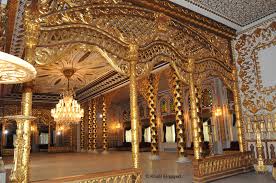
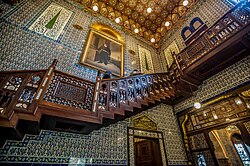
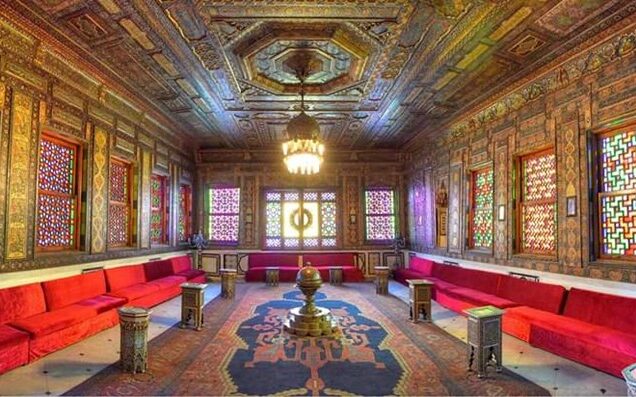
  • Interiors: Elaborate ceilings, mosaics, and furniture blending styles from multiple cultures.
  • Symbolism: Represents royal authority, cultural dialogue, and sophistication.

Entrance Hall – First Impressions

  • Grand doors with carved geometric patterns.
  • Marble floors with intricate inlays reflecting Islamic and European styles.
  • Cultural Significance: Represents hospitality, power, and sets the tone for visitors.
  • Story Insight: Diplomats, scholars, and dignitaries would meet here; architecture created an aura of sophistication and authority.

Reception Rooms – Art and Social Hierarchy

  • Blended styles: Islamic geometric patterns, Ottoman tile mosaics, Persian carvings, European Rococo influences.
  • Furniture, wall designs, and decoration communicate rank, ceremonial importance, and royal etiquette.
  • Deep Insight: Some rooms hosted official gatherings; others were used for intellectual discussions or private audience with the prince.
  • Visitors see how art and space dictated social hierarchy.

Private Quarters – Daily Life of Royalty

  • Bedrooms, libraries, and music rooms show personal tastes and leisure activities.
  • Ceilings feature mythological stories or historic events, integrating narrative into architecture.
  • Hidden passages allowed discreet movement.
  • Story Insight: Residents used spaces for music, reading, or private gatherings—offering a humanized perspective of royal life.

Gardens and Courtyards – Nature as a Narrative

  • Gardens include rare and imported plants, flowing water channels, and symbolic stone pathways.
  • Each element represents balance, life, purification, and royal refinement.
  • Historical accounts: Intellectual gatherings, debates on philosophy, art, and politics took place here.
  • Visitors experience a transition from structured architecture to natural elegance, engaging all senses.

Artifacts and Symbolism

  • Furniture, decorations, and hidden artifacts reveal royal habits, rituals, and daily routines.
  • Visitors understand how art and architecture reflect power, identity, and cultural sophistication.
In the Depth – City of the Dead (Living Necropolis and Human Adaptation)

Historical Evolution

  • Spanning centuries, originally a necropolis with tombs and mausoleums.
  • Over time, housing shortages turned it into a living community, blending tombs with modern residences.
  • Visitors witness layers of history and urban adaptation.

Children’s Spaces and Education

  • Courtyards become playgrounds, blending historical setting with modern life.
  • Children teach one another, combining tradition, resilience, and social learning.
  • Story Insight: Families pass oral histories tied to monuments, preserving culture and memories.

Markets and Micro-Economy

  • Markets sell food, crafts, and daily necessities.
  • Artisans continue ancient crafts, producing items for locals and tourists.
  • Visitors see how commerce thrives in unusual environments, reflecting Cairo’s ingenuity.

Housing Adaptation

  • Families convert mausoleums into homes: doors, windows, utilities installed while preserving historical elements.
  • Visitors experience how architecture adapts to social and cultural needs, blending heritage with modern survival.

Cultural and Social Insights

  • Illustrates continuity, resilience, and human adaptation.
  • Offers a rare perspective on Cairo’s urban complexity and cultural continuity.
  • Photography is encouraged with respect, and guided tours explain social norms.
Felucca Ride – Reflection and Timeless Connection

Timeless Connection

  • Sailing the Nile provides a unique perspective of Cairo’s past and present.
  • Links insights from Nilometer, Manial Palace, and City of the Dead into one coherent understanding.
  • Allows reflection on science, art, society, and history.

Scenic and Experiential Value

  • Sunset casts golden hues across the cityscape.
  • Gentle water, breeze, and boat motion create a meditative environment.
  • Light lunch onboard nourishes body and mind, supporting intellectual and sensory reflection.

Symbolic and Philosophical Interpretation

  • Felucca symbolizes continuity, patience, and harmony.
  • Reflects the Nile’s cyclical nature and Cairo’s historical rhythm.
  • Visitors integrate historical, architectural, social, and natural insights into a personal experience of the city.
Extended FAQ – Answering Every Question

Is the tour suitable for first-time visitors? Yes, with deep insights and layered experiences.
Physical demand? Moderate walking and exploration.
Children participation? Allowed with supervision.
Meals included? Light lunch on felucca.
Photography? Allowed, with flash restrictions in some rooms.
Best season? Cooler months recommended, flexible transport ensures comfort.
Accessibility? Some walking and stairs; private vehicle supports ease of travel.
Cultural etiquette? Respect local residents in City of the Dead.
Language support? Guides provide English, German, or other requested languages.
Safety measures? Fully licensed guides, secure transport, and careful planning.

Travel Guide – Insider Tips

Clothing: Light, breathable, comfortable shoes; modest attire at palaces.
Water: Bottled water included; bring extra for the City of the Dead.
Timing: Early morning recommended.
Photography: Respect local residents, especially in City of the Dead.
Interaction: Ask before photographing people.
Transport: Private vehicle ensures comfort, efficiency, and safety.

Why Book with luxuryniletour.com

Expert-level historical guides
Private, flexible tours tailored to your pace
Comfortable, modern transportation
Deep understanding of Egypt beyond typical tourism
Strong reputation for quality and reliability

Call to Action

Book your Tour to Nilometer, Manial Palace, and City of the Dead with Felucca Ride today. Experience science, art, daily life, and river culture in Cairo like never before.
Tour Map

Reviews

There are no reviews yet.

Be the first to review “Tour to Nilometer, Manial Palace, and City of the Dead with Felucca Ride – The Hidden Soul of Cairo”

Your email address will not be published. Required fields are marked *

From
$80.00 $110.00
Booking Form
Request Form

Guests

2

Adults

$80.00

Children

$60.00

File

Deposit Option 50% Per item
Available:
Total:

Guests

2

Adults

$80.00

Children

$60.00

File