7 Hours
30
1 Year
Arranged location
The Wadi Degla Tour from Cairo represents one of the most unique and underrated travel experiences in Egypt, offering a complete shift from the country’s traditional tourism narrative centered around temples, tombs, and monuments.
Instead of monumental architecture, this experience introduces travelers to Egypt’s natural heritage, where geological time, ecological adaptation, and environmental balance define the landscape.
Located just minutes from Cairo, Wadi Degla Protected Area is one of Egypt’s most important natural reserves and a prime destination for those searching for:
desert hiking in Cairo
wildlife experiences in Egypt
nature tours near Cairo
off-the-beaten-path Egypt tours
eco tourism experiences in Egypt
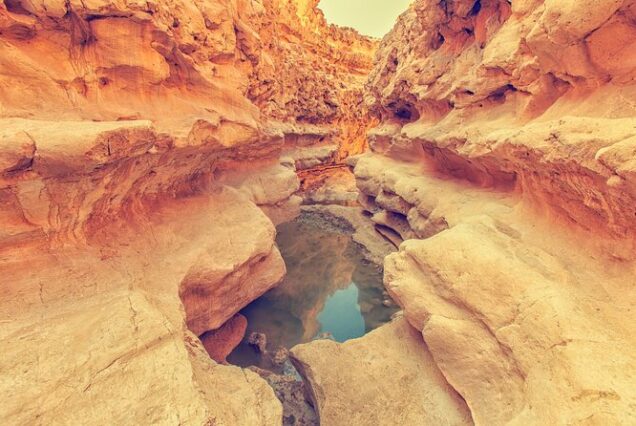
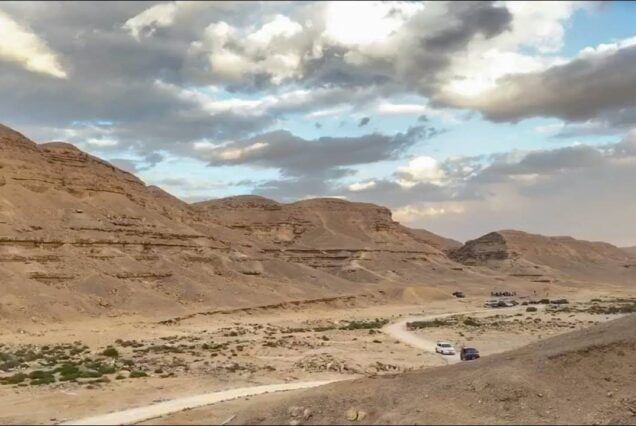
The valley stretches approximately 30 kilometers through the Eastern Desert plateau, forming a dramatic canyon system carved into limestone layers that date back tens of millions of years.
This tour is not designed as a simple walk in nature. It is structured as a multi-dimensional experience combining:
geological exploration
ecological observation
physical activity
mental relaxation
environmental education
Unlike high-energy desert safaris or commercial excursions, this tour emphasizes slow travel, awareness, and immersion, making it ideal for travelers who value depth over speed.
Tour Highlights
Explore One of the Best Desert Hiking Spots Near Cairo
Wadi Degla is widely considered one of the top locations for desert hiking in Egypt, offering accessible trails combined with dramatic natural scenery.
Discover Wildlife in a Protected Ecosystem
Experience one of the most important wildlife reserves near Cairo, where desert-adapted species survive in extreme environmental conditions.
Geological Wonders Dating Back Millions of Years
Walk through ancient seabed formations and fossil-rich limestone structures that tell the story of Egypt before the Nile even existed in its current form.
Birdwatching in a Natural Migration Corridor
Observe birds of prey and migratory species in one of Egypt’s lesser-known but highly active ecological zones.
Private Nature Experience Away from Tourist Crowds
Escape the crowds of Cairo and enjoy a peaceful, private experience in a protected natural environment.
Desert Picnic in a Unique Landscape
Enjoy a relaxing break surrounded by silence, open horizons, and untouched natural beauty.
Important Pickup Information
Pickup and drop-off are included from hotels located in Cairo and Giza.
However, pickup or drop-off from the following locations will require an additional transfer fee due to the longer distance from the main tour route:
Cairo International Airport Sphinx International Airport New Administrative Capital
New Cairo Heliopolis
Badr City Shorouk City El Rehab City
Obour City Sheraton Al Matar
Sheikh Zayed City Madinaty
These areas are located farther from central Cairo and Giza, and therefore additional transportation costs may apply.
Add-ons:
One-way transfer from/to Cairo Airport: $25
Round-trip transfer from/to Cairo Airport: $60
Your journey begins with a private transfer from your hotel in Cairo. As the urban density gradually fades, the environment transitions into semi-arid and then fully desert terrain.
This transition is essential in understanding Egypt beyond its urban and monumental identity. The guide introduces key concepts such as desert ecology, protected areas, and the role of Wadi Degla in Egypt’s environmental preservation strategy.
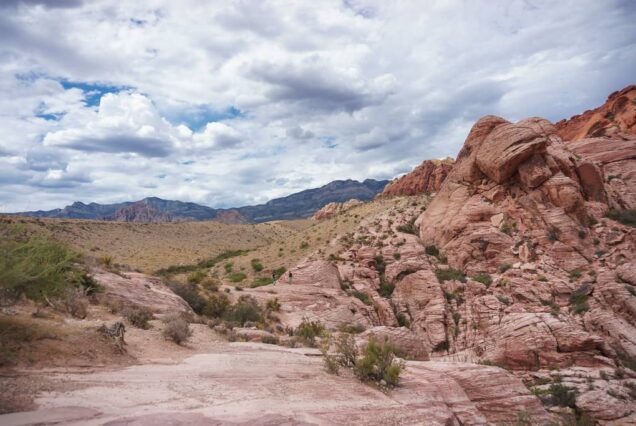
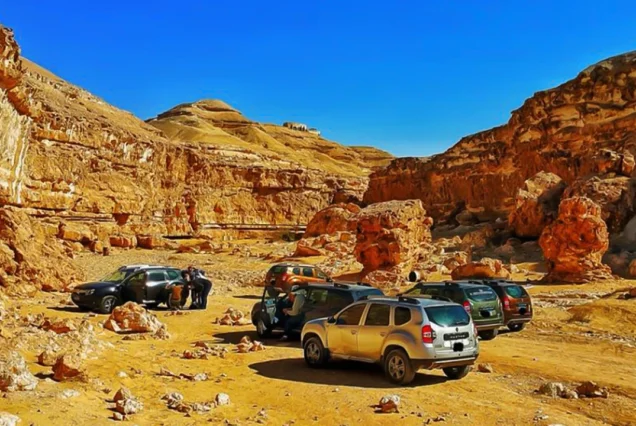
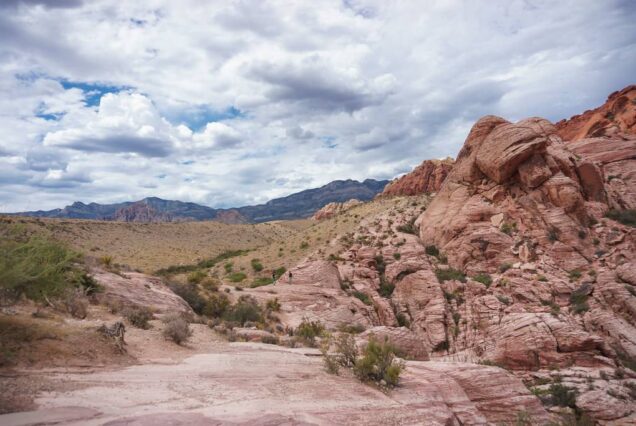
Upon entering the protected area, the first impression is the vast openness of the landscape, framed by limestone cliffs and dry valley beds.
The guide provides a detailed explanation of:
the geological formation of the valley
the historical presence of ancient seas
the transformation of marine environments into desert systems
This stage establishes the scientific foundation of the experience.
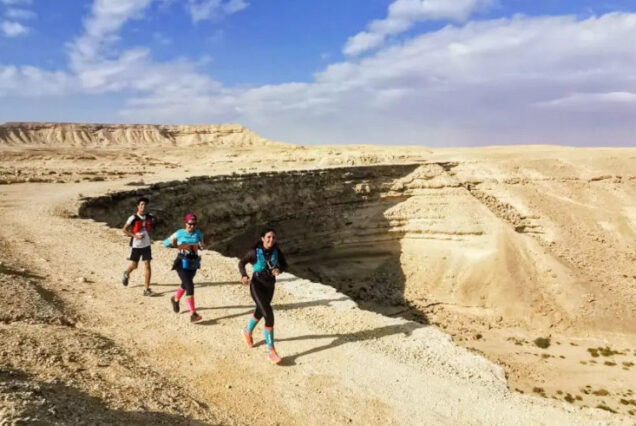
The hiking phase is carefully structured to combine physical movement with environmental interpretation.
During the hike, you will:
traverse natural desert trails
observe erosion patterns in rock formations
identify fossil traces within limestone layers
learn about plant survival strategies in arid climates
The pace remains flexible, allowing both beginners and experienced hikers to enjoy the experience.
Attention shifts toward identifying signs of life within the desert.
Rather than focusing only on direct sightings, the guide explains:
animal tracks and movement patterns
predator-prey relationships
adaptation strategies for extreme heat and water scarcity
This transforms the experience into a form of ecological exploration rather than passive observation.
A stop point is selected for a quiet picnic experience.
This moment emphasizes:
silence of the desert
open visual horizon
absence of urban noise
It is designed as a mental and sensory reset rather than just a meal break.
The return to Cairo provides an opportunity to reflect on the contrast between natural and urban environments.
The guide connects the experience to broader themes such as sustainability, conservation, and the importance of protected areas.
1.
Wadi Degla represents a geological narrative that spans tens of millions of years. During the Eocene epoch, much of northern Egypt was submerged under a shallow tropical sea.
The limestone formations visible today are composed primarily of:
marine sediments
fossilized shells and microorganisms
calcium carbonate deposits
As tectonic uplift occurred and sea levels receded, these deposits were exposed and gradually shaped by erosion.
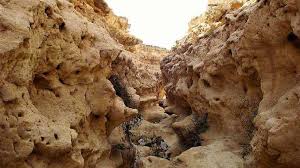
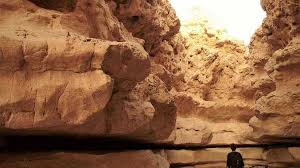
Wind erosion, combined with occasional flash floods, carved the valley into its current form, creating a natural canyon system that continues to evolve.
This makes Wadi Degla one of the most accessible locations near Cairo for understanding deep geological time.
2. Desert Ecology: A System of Extreme Adaptation
The ecological system of Wadi Degla operates under conditions that would be hostile to most life forms.
Temperatures fluctuate dramatically, water is scarce, and vegetation is minimal. Despite this, life persists through highly specialized adaptations.
Animals exhibit:
nocturnal behavior to avoid daytime heat
efficient water metabolism
camouflage within rocky terrain
Plants demonstrate:
reduced surface area to minimize evaporation
deep root systems reaching underground moisture
rapid growth cycles following rare rainfall
This ecosystem is an example of biological efficiency and resilience under extreme constraints.
3. Biodiversity Networks in Arid Landscapes
Contrary to popular belief, deserts are not empty ecosystems. They are complex networks of interdependent species.
Wadi Degla supports:
small mammals adapted to rocky habitats
reptiles that regulate body temperature through environmental interaction
bird species that use the valley as a migration corridor
Birds of prey such as kestrels play a critical role in maintaining ecological balance by controlling populations of smaller animals.
4. The Science of Silence: Psychological and Environmental Impact
One of the most powerful elements of Wadi Degla is its silence.
From a scientific perspective, reduced noise levels have measurable effects on:
stress reduction
cognitive clarity
sensory awareness
The absence of artificial sound allows visitors to perceive subtle environmental details such as wind movement, distant animal activity, and spatial acoustics.
This transforms the experience from a physical activity into a psychological reset.
5. Conservation Strategy and Environmental Protection in Egypt
Wadi Degla is part of Egypt’s national network of protected areas, established to preserve ecosystems from urban expansion and environmental degradation.
Key conservation goals include:
protecting biodiversity
preventing habitat destruction
promoting sustainable tourism
supporting scientific research
The proximity of Wadi Degla to Cairo makes it particularly vulnerable, which increases the importance of regulated access and responsible tourism.
6. Human-Desert Relationship Through History
Historically, deserts have not been empty spaces but zones of movement, trade, and survival.
Human interaction with desert environments has always required:
adaptation
minimal resource use
mobility
Modern tourism must follow similar principles to avoid damaging fragile ecosystems.
7. Redefining Egypt as a Multi-Dimensional Destination
Experiences like Wadi Degla challenge the traditional perception of Egypt as a destination limited to ancient monuments.
They introduce a broader understanding that includes:
natural history
environmental systems
ecological diversity
This perspective aligns with global trends in eco tourism in Egypt and sustainable travel.
8. Sustainable Tourism and the Future of Desert Experiences
The future of tourism in areas like Wadi Degla depends on balancing accessibility with preservation.
Sustainable tourism practices include:
limiting environmental impact
educating visitors
supporting conservation initiatives
This ensures that the experience remains authentic and available for future generations.
Yes, trails can be adjusted for all levels.
Morning and late afternoon are ideal due to moderate temperatures.
Sightings depend on natural conditions but the area is active.
Comfortable shoes, sunscreen, hat, and sunglasses.
Yes, completely safe with a professional guide.
Yes, it is family-friendly and for all ages,especially for educational purposes
Yes, with additional cost.
Yes, lunch is included.
This is a fully private tour. All transportation, guiding, and timing are customized to the traveler.
Cairo traffic can be unpredictable, but маршруtes are strategically planned to optimize time efficiency.
Depending on timing, guides may introduce lesser-known architectural details and viewpoints not typically included in standard itineraries.
Yes. The experience is designed to meet premium travel standards, including private transport and personalized service.
Entrance fees are not included.
The ideal time to take this tour is between October and April when temperatures are moderate and suitable for outdoor archaeological exploration.
Comfortable clothing suitable for warm weather is recommended. Lightweight fabrics, hats, and sunglasses are strongly advised. Modest clothing is also recommended due to rural and cultural environments.
Footwear Recommendation
Walking shoes with good grip are essential due to uneven terrain at archaeological sites.
This experience is distinct from mainstream Egypt itineraries for several reasons.
First, it focuses on a geographical region that is rarely included in standard tourism routes. The Nile Delta remains one of the least visited yet historically most significant areas of ancient Egypt.
Second, the tour combines political history and religious anthropology in a single narrative structure, rather than treating sites as isolated monuments.
Third, the archaeological condition of both Tanis and Bubastis provides a rare opportunity to observe ancient sites in a relatively unmodified state, without heavy reconstruction or modern reinterpretation.
Fourth, the experience emphasizes interpretation rather than presentation. Travelers are not simply shown ruins; they are guided through historical processes, political transformations, and cultural evolution.
This makes the tour especially valuable for repeat visitors to Egypt who have already seen major sites such as Luxor, Aswan, and Giza and are now seeking deeper intellectual engagement.
Luxuryniletour.com offers carefully designed tours that combine:
professional guiding
private comfort
structured experiences
transparent pricing
Each tour is built to provide both enjoyment and meaningful knowledge.
Discover a completely different side of Egypt.
The Wadi Degla Tour from Cairo offers a rare combination of adventure, science, and tranquility—making it one of the best nature experiences near Cairo.
Book now and explore Egypt beyond the monuments.










Reviews
There are no reviews yet.