...

Giza Pyramids, Citadel & Old Cairo Tour | Best Cairo Day Tour Experience

Duration

8 Hours

Max People

30

Min Age

1 Year

Pickup

Arranged location

Ultimate Day Trip to Giza Pyramids, Citadel and Old Cairo – A Complete Historical, Cultural & Archaeological Exploration

Overview

The Day Trip to Giza Pyramids, Citadel and Old Cairo is a comprehensive, immersive, and intellectually enriching journey through the full historical spectrum of Cairo, designed for travelers who seek depth, context, and meaning beyond traditional sightseeing.
This experience is built around a powerful interpretive concept: Cairo is not a single-era city, but a layered civilizational system shaped by successive cultures, each leaving behind architectural, religious, and social imprints that remain visible today.
The tour connects three of the most significant historical environments in Egypt:
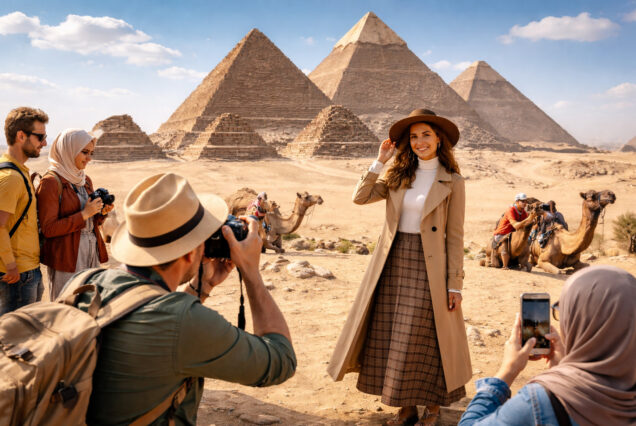
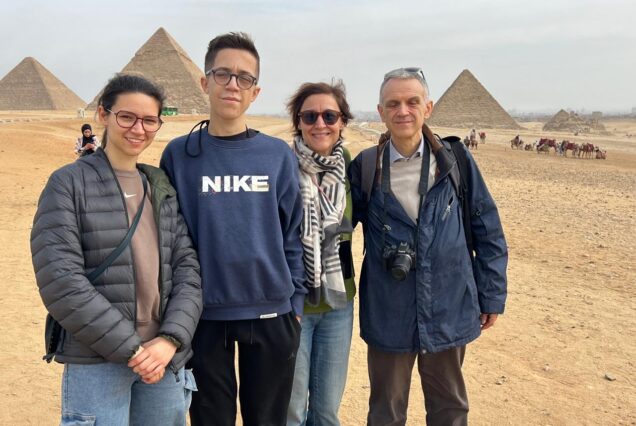
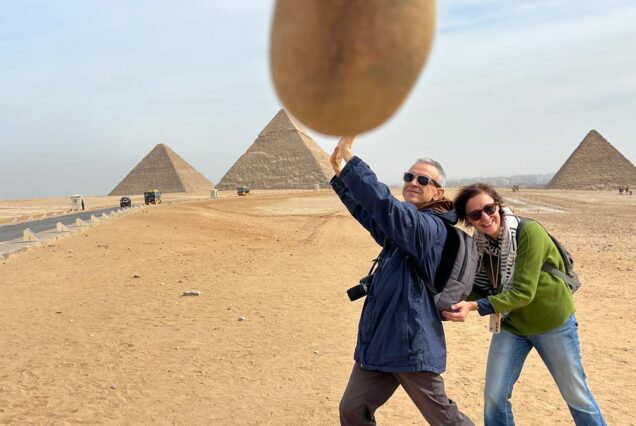
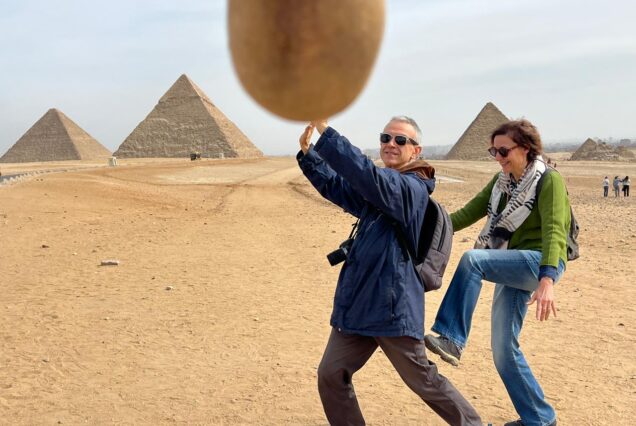
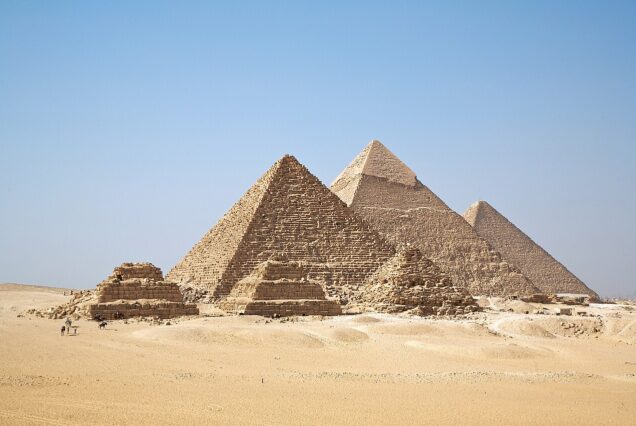
The monumental complex of the Giza Pyramids, representing the height of Old Kingdom power, engineering mastery, and funerary belief systems
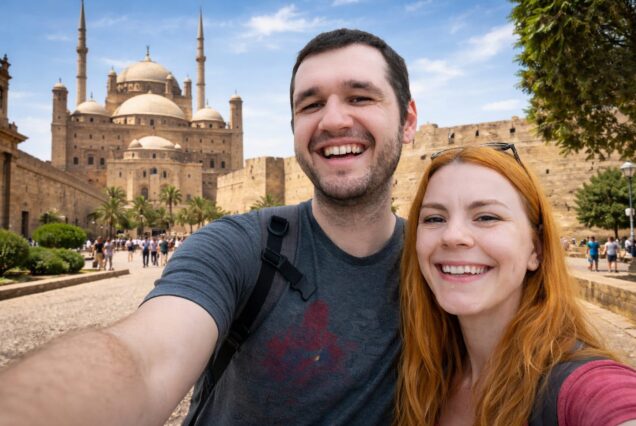
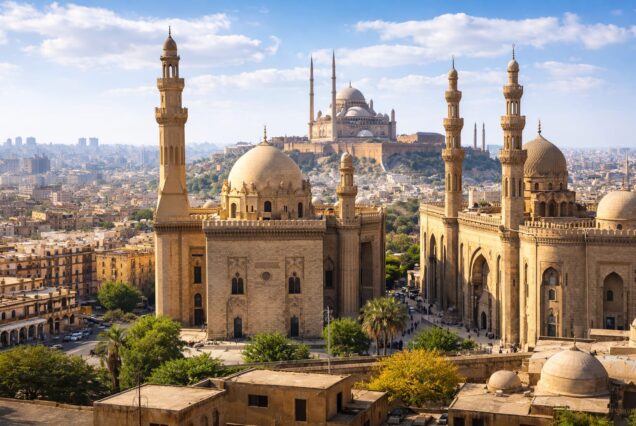
The fortified political center of the Saladin Citadel of Cairo, representing medieval Islamic governance, military strategy, and centralized authority
The sacred district of Coptic Cairo, representing early Christianity, religious continuity, and community identity
Rather than presenting these sites as isolated attractions, this tour creates a chronological narrative that allows you to experience the transformation of Egypt across thousands of years.
At the Giza Plateau, the pyramids are explored not just as architectural wonders, but as intentional expressions of cosmic order, political control, and religious ideology. At the Citadel, the focus shifts toward strategic dominance, defense systems, and governance structures. In Old Cairo, the experience becomes more intimate, revealing how communities preserved their beliefs, traditions, and identity through centuries of change.
This tour is ideal for high-value travel searches such as:
best Cairo historical tours
Giza pyramids private guided tour
full day Cairo itinerary
Islamic and Coptic Cairo tour
top places to visit in Cairo Egypt
cultural tours in Egypt
It is not simply a day tour—it is a complete narrative of civilization, power, belief, and continuity.

Tour Highlights

Discover the Greatness of the Great Pyramid of Giza
Stand before one of the most extraordinary architectural achievements in human history and explore its engineering precision and symbolic meaning.
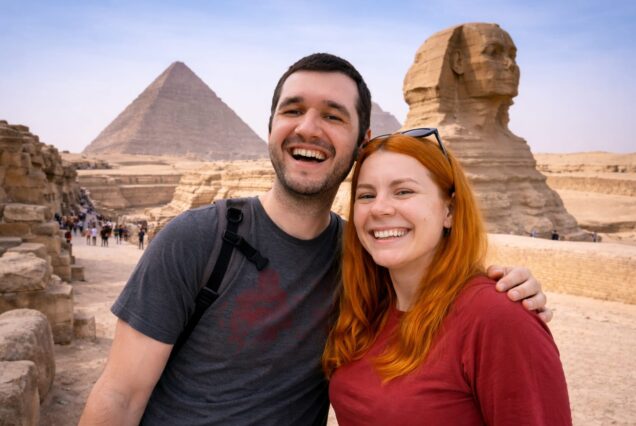
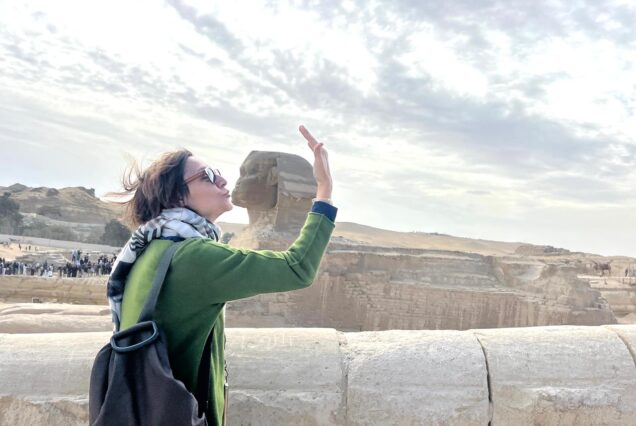
Explore the Mystery of the Great Sphinx of Giza
Learn about its origins, symbolism, and its role as a guardian of the Giza Plateau.
Visit the Ritual Complex of the Valley Temple of Khafre
Understand the processes of mummification and funerary ceremonies performed in ancient Egypt.
Experience the Power of the Saladin Citadel of Cairo
Discover how this fortress shaped the political and military landscape of Cairo.
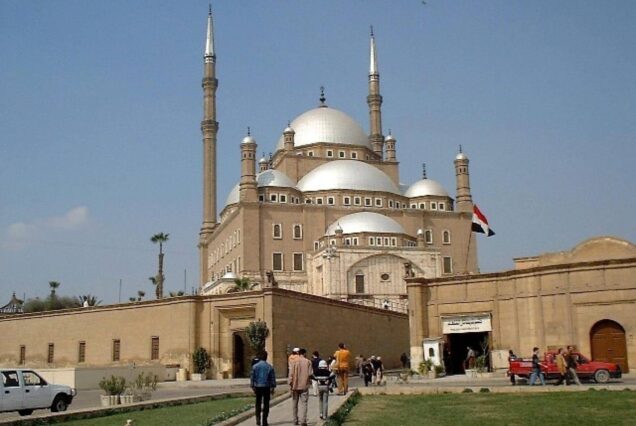
Admire the Beauty of the Mosque of Muhammad Ali
Explore Ottoman-inspired architecture and panoramic views over Cairo.
Walk Through History in Coptic Cairo
Experience one of the oldest Christian communities in the world.
Visit the Iconic The Hanging Church
Marvel at its unique elevated structure and historical importance.
Explore the Sacred Church of Saints Sergius and Bacchus
Discover one of the most significant religious sites in Egypt.

Important Pickup Information
Pickup and drop-off are included from hotels located in Cairo and Giza.
However, pickup or drop-off from the following locations will require an additional transfer fee due to the longer distance from the main tour route:
Cairo International Airport       Sphinx International Airport    New Administrative Capital
New Cairo                                         Heliopolis
Badr City                                           Shorouk City  El Rehab City
Obour City                                        Sheraton Al Matar
Sheikh Zayed City                          Madinaty
These areas are located farther from central Cairo and Giza, and therefore additional transportation costs may apply.

Add-ons:
One-way transfer from/to Cairo Airport: $25
Round-trip transfer from/to Cairo Airport: $60

Included/Excluded

  • Private, modern, air-conditioned transportation for a smooth journey
  • Hotel pickup and drop-off in Cairo or Giza for a stress-free experience
  • Professional Egyptologist tour guide
  • Lunch at a local restaurant
  • Complimentary bottled water throughout the tour
  • All taxes and service charges included with no hidden costs
  • Any extras not mentioned
  • Entrance fees to all mentioned sites
  • Optional activities not mentioned in the program
  • Airport/distant pickup fees.
  • One-way airport transfer — $25
  • Round-trip airport transfer — $60
  • Tips and gratuities
  • Personal expenses
  • Drinks during lunch
  • Additional transfers outside Cairo (extra cost)
  • Entry inside pyramids

Tour Plan

Hotel pickup Morning Exploration: The Giza Plateau – Engineering, Belief, and Royal Authority

Your journey begins at the world-renowned Giza Plateau, where the monumental pyramids rise as enduring symbols of ancient Egyptian civilization.
This phase of the tour focuses on:
The organization of large-scale construction projects in the Old Kingdom
The relationship between religion and architecture
The symbolic alignment of pyramids with celestial and cardinal systems
The evolution of pyramid design across different rulers
As you move between the pyramids of Khufu, Khafre, and Menkaure, you will gain insight into how each structure reflects political ambition, technological advancement, and theological beliefs.
At the Sphinx, the focus shifts to symbolic interpretation, exploring how ancient Egyptians communicated authority and protection through combined human and animal forms.

Midday Transition: From Ancient Landscape to Modern Metropolis

Traveling from Giza to central Cairo offers a unique perspective on how ancient sites coexist with modern urban life.
You will observe:
Urban expansion over historical landscapes
The integration of ancient monuments into contemporary environments
The dynamic nature of Cairo as a living city
Afternoon Exploration: The Citadel – Strategy, Power, and Governance
At the Saladin Citadel of Cairo, the narrative transitions from ancient religious systems to medieval political authority.
Key topics include:
Defensive architecture and strategic positioning
Control of urban space and population
The role of fortresses in maintaining domination and authority
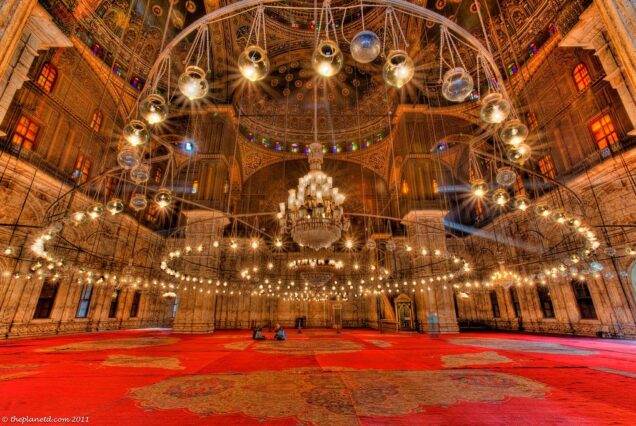
Inside the mosque, you will explore:
Dome construction and spatial design
Ottoman architectural influence in Egypt
Religious structures as symbols of political legitimacy

LateAfternoon: Old Cairo – Faith, Identity, and Community

In Coptic Cairo, the focus becomes more personal and spiritual.
This phase explores:
The development of early Christian communities in Egypt
Adaptation of Roman structures into churches
Preservation of traditions across centuries
The Hanging Church demonstrates architectural innovation, while Abu Serga Church provides deep insight into religious heritage and sacred history.

Return to Hotel Evening: Return with a Complete Historical Perspective

By the end of the tour, you will have experienced Cairo as a continuous historical system, rather than a collection of separate sites.

In The Depth

Cairo as a Multi-Layered Historical System

Cairo stands as one of the most complex urban civilizations ever formed—not simply because of its age, but because of how its history accumulates rather than disappears. Unlike cities that rebuild by erasing previous eras, Cairo evolves through historical continuity, where each civilization leaves a visible and functional imprint on the same geographic space.

From the ancient necropolis of the Giza Plateau to the dense fabric of Islamic Cairo and the expanding modern metropolis, Cairo operates as a multi-layered system of memory, power, religion, and daily life. Roman fortifications, Byzantine religious influences, early Islamic urban planning, Mamluk architecture, Ottoman stylistic elements, and modern infrastructure all coexist—not as isolated fragments, but as interconnected layers.

This layered coexistence transforms Cairo into a living historical organism, where time is not linear but spatially embedded. Each district functions as a chapter in a continuous narrative, making Cairo one of the few cities in the world where history can be experienced physically, intellectually, and emotionally at the same time.


The Pyramid as a Symbol of Power, Cosmos, and Eternal Order

At the heart of ancient Egyptian civilization lies the pyramid—most prominently the Great Pyramid of Giza. While commonly understood as royal tombs, pyramids are far more sophisticated in meaning and function. They are cosmic statements carved into the landscape, representing the intersection of politics, religion, and universal order.

The pyramid served simultaneously as:

  • A political manifesto: affirming the divine authority and absolute power of the pharaoh
  • A religious mechanism: facilitating the king’s journey to the afterlife and his union with the gods
  • An economic system: mobilizing vast labor networks, redistributing resources, and stabilizing society
  • A cosmic symbol: aligning with solar cycles and reflecting the concept of universal balance and order

The pyramid’s geometric perfection was not accidental; it was intentional, reflecting a worldview in which architecture becomes a medium for expressing cosmic truth. The smooth sides once reflected sunlight, symbolizing the pharaoh’s transformation into a divine being associated with the sun.


Engineering, Administration, and Scientific Mastery in Ancient Egypt

The construction of pyramids represents one of the greatest achievements in human history—not only architecturally but organizationally. Ancient Egyptians demonstrated a deep understanding of applied science, logistics, and governance.

Their accomplishments include:

  • Precise geometric calculations, ensuring perfect alignment with the cardinal directions
  • Astronomical knowledge, possibly linking pyramid orientation to celestial bodies
  • Advanced resource management, coordinating quarrying, transportation, and assembly of millions of stone blocks
  • Sophisticated labor systems, involving skilled workers, seasonal laborers, and administrative oversight

These projects required long-term planning on a scale rarely seen in ancient societies. The pyramids reveal that ancient Egypt was a highly structured state with advanced intellectual and administrative capabilities.


The Symbolism and Silent Authority of the Sphinx

Adjacent to the pyramids stands the mysterious Great Sphinx of Giza—a monument that continues to challenge interpretation. Combining the body of a lion with the head of a human, the Sphinx embodies a powerful duality:

  • Physical strength represented by the lion
  • Intellectual control and wisdom represented by the human face

This hybrid form symbolizes the ideal ruler—one who governs through both power and intelligence. Positioned strategically within the Giza complex, the Sphinx functions as a guardian of sacred space, protecting the pyramids and reinforcing their spiritual significance.

Its orientation toward the rising sun further connects it to solar symbolism, emphasizing themes of rebirth, eternity, and divine kingship. The Sphinx is not merely a statue—it is a philosophical statement in stone.


The Citadel: Architecture as Power and Control

The Cairo Citadel, established by Saladin in the 12th century, represents a turning point in Cairo’s urban and political development. Unlike the open monumental landscapes of ancient Egypt, the Citadel reflects a fortified, centralized model of governance.

Its strategic elevation allowed rulers to:

  • Oversee the entire city
  • Defend against invasions, particularly during the Crusades
  • Control political and military operations from a secure location

For nearly 700 years, the Citadel remained the seat of power in Egypt. It illustrates how architecture can be used not only to protect but to project authority and maintain control over a population.


Ottoman Influence and Cultural Integration

The Mosque of Muhammad Ali, built by Muhammad Ali Pasha, showcases how Cairo absorbs external influences while maintaining its identity.

Inspired by architectural traditions associated with Istanbul, the mosque features:

  • A grand central dome dominating the skyline
  • Slender minarets creating a striking vertical presence
  • Spacious interiors emphasizing light and openness

Yet, despite these external influences, the mosque is deeply rooted in Cairo’s cultural and historical context. This demonstrates the city’s unique ability to integrate global influences into a cohesive local identity.


Early Christianity and the Resilience of Identity

The district of Coptic Cairo offers profound insight into the development of Christianity in Egypt. This area preserves one of the oldest continuous Christian traditions in the world, shaped by centuries of political and cultural transformation.

Landmarks such as the Hanging Church reveal:

  • Architectural adaptation to Roman and local conditions
  • The persistence of religious identity across changing eras
  • A rich artistic and spiritual heritage

Coptic Cairo is not just a historical site—it is a living testimony to faith, adaptation, and cultural continuity.


Sacred Geography: A City of Coexisting Faiths

Cairo’s religious landscape is unique in its density and diversity. Within a relatively small geographic area, mosques, churches, and synagogues coexist, forming a sacred geography that reflects centuries of interaction.

The Ben Ezra Synagogue stands alongside Christian and Islamic landmarks, illustrating a broader narrative of coexistence. This spatial proximity reflects Cairo’s long-standing role as a meeting point of civilizations and religious traditions.

Here, faith is not isolated—it is woven into the urban fabric, shaping identity, culture, and everyday life.


Urban Evolution: Layers, Contradictions, and Continuity

Cairo’s urban structure is defined by accumulation rather than replacement. Each historical period leaves behind physical and cultural traces that interact with newer developments.

This results in:

  • Ancient monuments surrounded by modern infrastructure
  • Medieval street networks intersecting with contemporary roads
  • Traditional lifestyles existing alongside global urban culture

These overlapping layers create a city that is both historically rich and dynamically evolving, while also presenting challenges related to preservation, density, and planning.


Cairo as a Living Historical Environment

What truly distinguishes Cairo is its ability to remain alive while carrying immense historical depth. Unlike static archaeological sites, Cairo is continuously inhabited and constantly transforming.

Millions of residents interact daily with spaces that date back thousands of years. Markets operate beside ancient structures, religious practices continue in historic buildings, and modern life unfolds within a deeply historical setting.

In this sense, Cairo is not just a destination—it is a living civilization, where the past is actively experienced rather than simply remembered.

FAQ Is this tour suitable for first-time visitors?

Yes, it covers the most important highlights of Cairo.

Is the tour private?

Yes, fully private and customizable.

How long does the tour last?

Approximately 8 hours.

Is it safe?

Yes, completely safe with a professional guide.

Is it suitable for families?

Yes, it is family-friendly and for all ages,especially for educational purposes

Are airport transfers available?

Yes, with additional cost.

Is lunch included?

Yes, lunch is included.

Is this a private tour or group tour?

This is a fully private tour. All transportation, guiding, and timing are customized to the traveler.

How does traffic impact the tour duration?

Cairo traffic can be unpredictable, but маршруtes are strategically planned to optimize time efficiency.

Is this tour suitable for luxury travelers?

Yes. The experience is designed to meet premium travel standards, including private transport and personalized service.

Are entrance fees included?

No,entrance fees are not included.

Travel Guide Best Time to Visit

The ideal time to take this tour is between October and April when temperatures are moderate and suitable for activities.

Why Book With Luxuryniletour.com

Luxuryniletours.com provides:
expert guides
private experiences
transparent pricing
high-quality service
Each tour is designed to combine knowledge with comfort.

Call to Action

Book your Day Trip to Giza Pyramids, Citadel and Old Cairo now and experience Cairo through a complete historical, cultural, and intellectual journey.

Tour Map

Reviews

There are no reviews yet.

Be the first to review “Giza Pyramids, Citadel & Old Cairo Tour | Best Cairo Day Tour Experience”

Your email address will not be published. Required fields are marked *

From
$75.00 $100.00
Booking Form
Request Form

Guests

2

Adults

$75.00

Children

$50.00

File

Deposit Option 50% Per item
Available:
Total:

Guests

2

Adults

$75.00

Children

$50.00

File