5 Hours
30
1 Year
Arranged location
Private Islamic Cairo Tour: Bab al-Futuh, Al-Muizz Street & Khan El Khalili
Important Pickup Information
Pickup and drop-off are included from hotels located in Cairo and Giza.
However, pickup or drop-off from the following locations will require an additional transfer fee due to the longer distance from the main tour route:
Cairo International Airport Sphinx International Airport New Administrative Capital
New Cairo Heliopolis
Badr City Shorouk City El Rehab City
Obour City Sheraton Al Matar
Sheikh Zayed City Madinaty
These areas are located farther from central Cairo and Giza, and therefore additional transportation costs may apply.
Add-ons:
One-way transfer from/to Cairo Airport: $25
Round-trip transfer from/to Cairo Airport: $60
Your tour begins with a comfortable pick-up from your hotel in Cairo between 9:00 AM and 2:00 PM. You will be welcomed by your professional guide and escorted to your private vehicle.
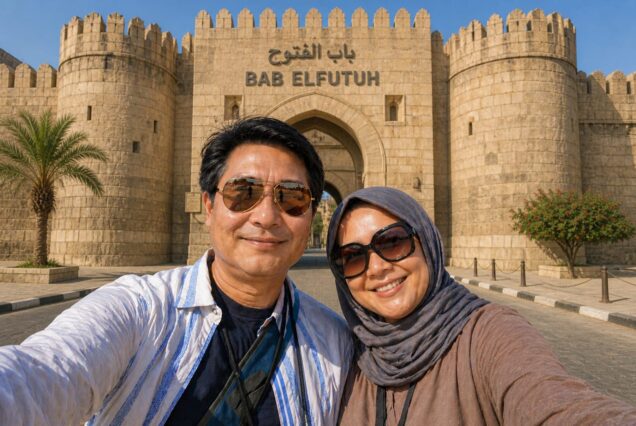
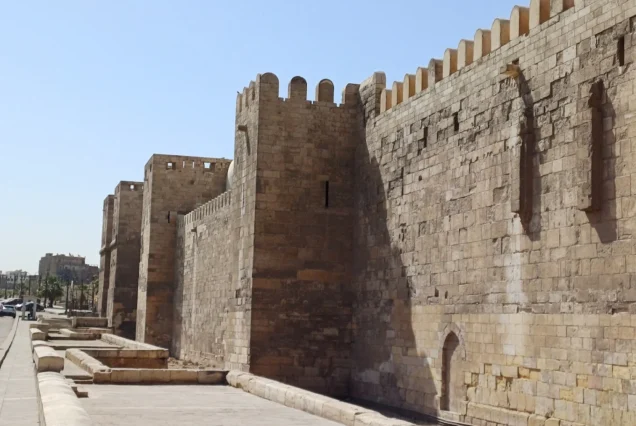
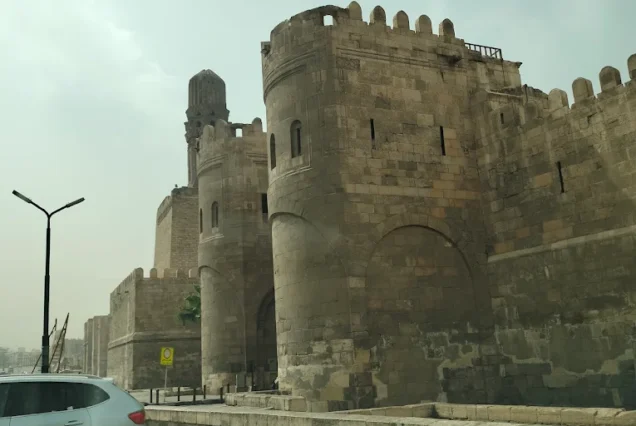
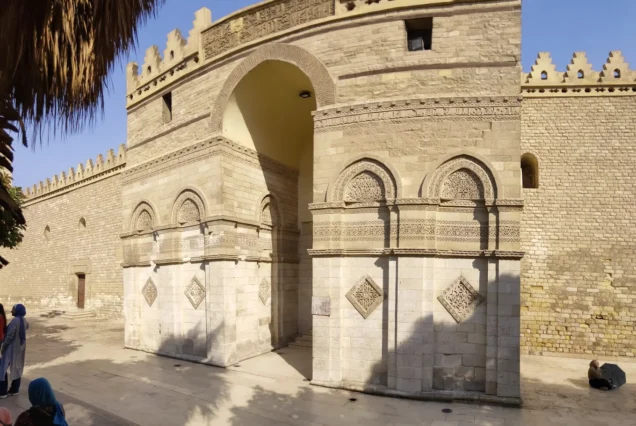
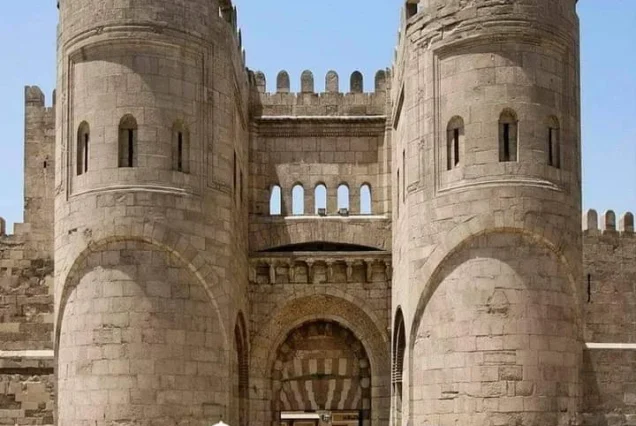
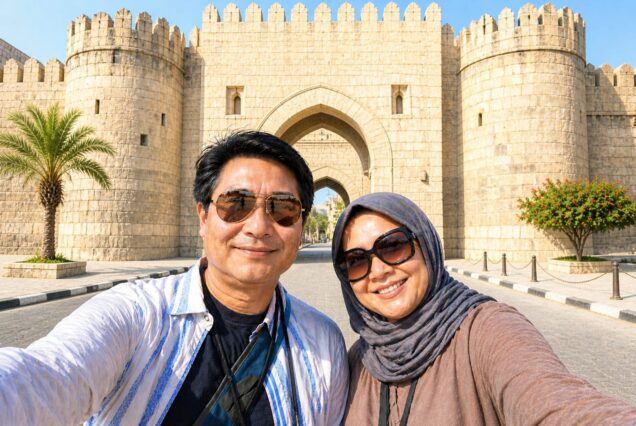
Your first stop is Bab al-Futuh, one of the most impressive remaining gates of the Fatimid walls.
Built in 1087, this structure served as both a defensive fortress and a ceremonial entrance. Its rounded towers, arrow slits, and massive wooden doors reflect the advanced military architecture of the time.
Your guide will explain how this gate functioned in protecting Cairo and controlling trade routes.
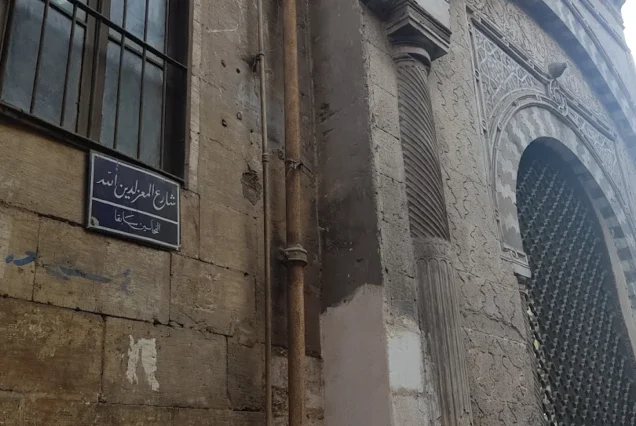
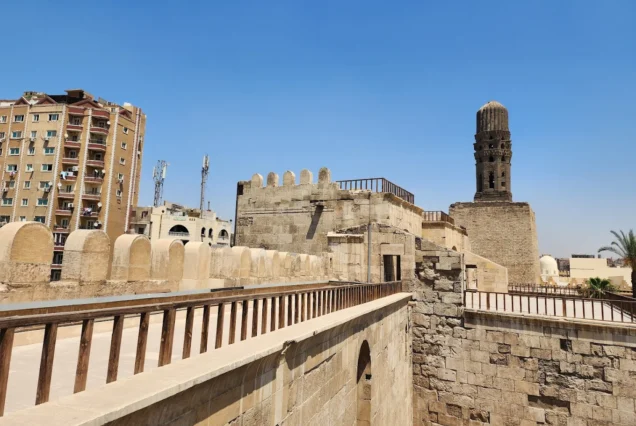
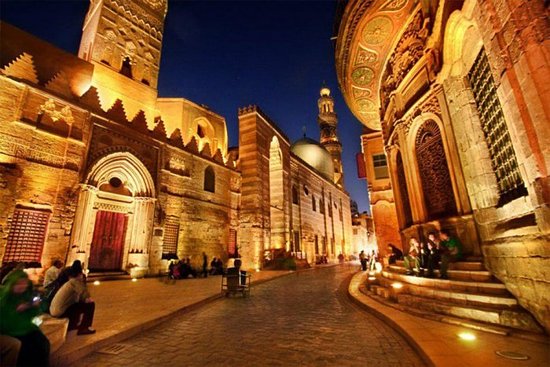
Next, you will explore Al-Muizz Street, a street that showcases over 1,000 years of architectural evolution.
You will visit:
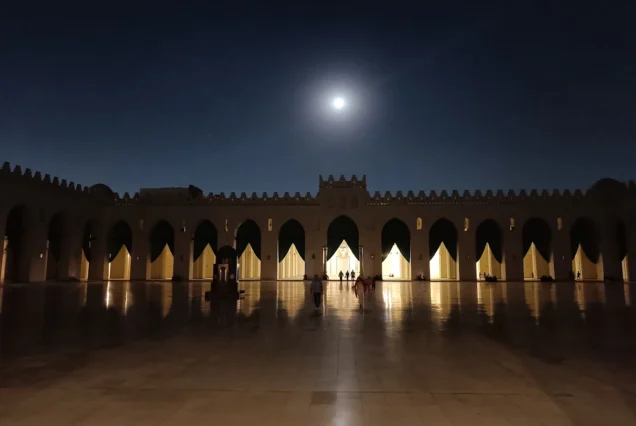
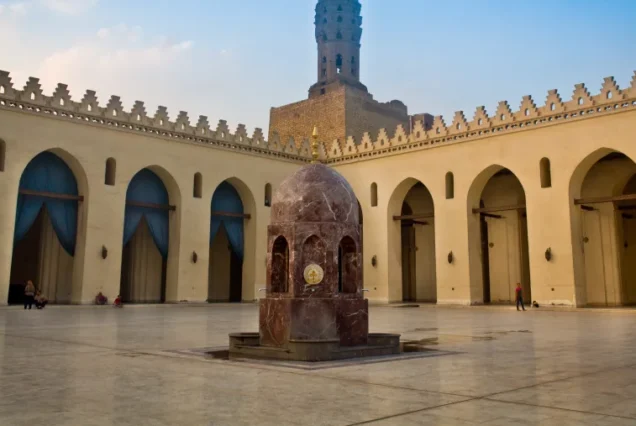
Al-Hakim Mosque
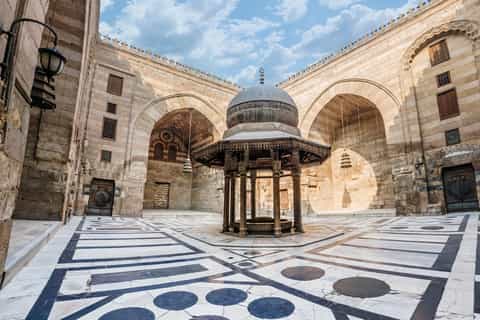
Bayt al-Suhaymi
Along the way, you will discover:
Historic mosques and madrasas
Ancient water fountains (sabils)
Traditional Islamic design elements
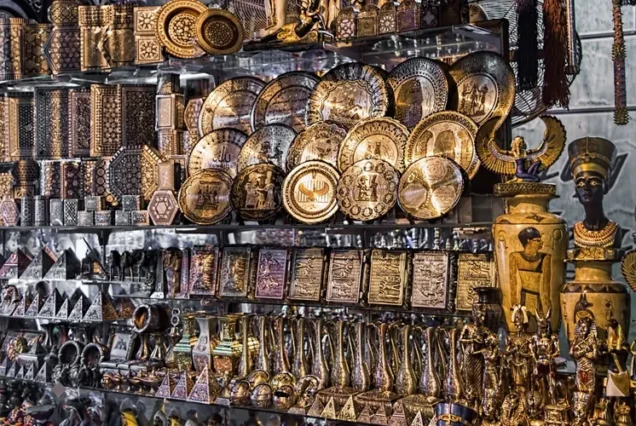
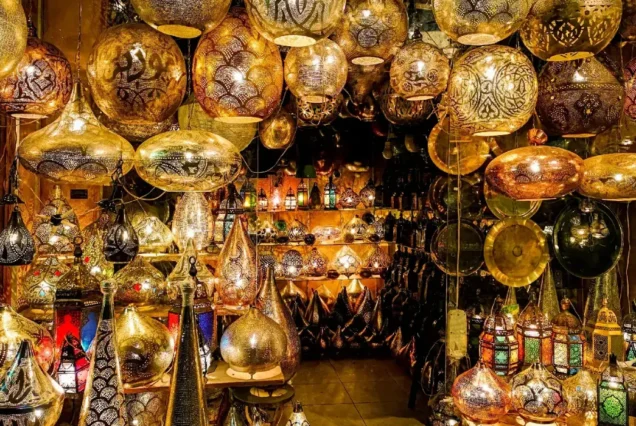
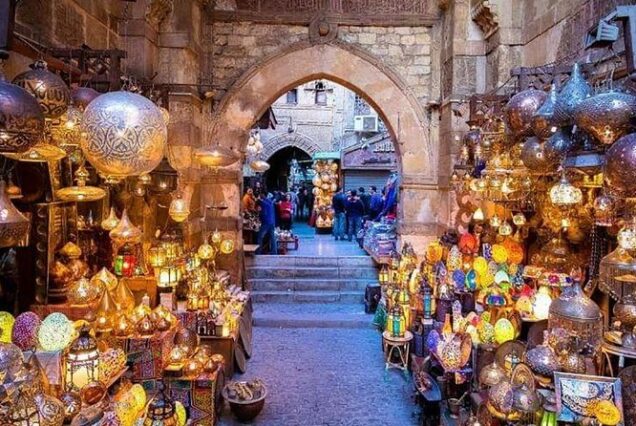
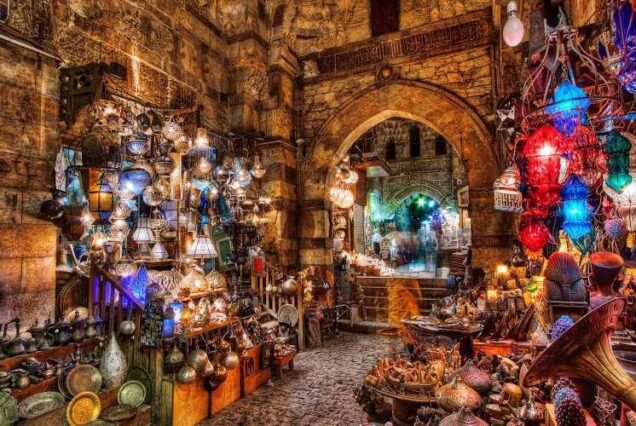
Your final stop is Khan El Khalili Bazaar, one of the oldest and most famous markets in the Middle East.
Here you will enjoy free time to:
Shop for souvenirs
Explore hidden alleys
Experience authentic Cairo life
Introduction – Beyond Tourism into Urban Historiography
To walk through Islamic Cairo is not merely to explore a historic district; it is to enter a layered urban manuscript written across more than a millennium. This district represents one of the most continuous and densely preserved expressions of Islamic urbanism in the world, where architecture, social life, religion, and political authority intersect in a complex and evolving dialogue.
Unlike static archaeological sites, Islamic Cairo remains a living city, where medieval spatial logic still shapes modern movement, commerce, and identity. Every structure, from monumental gates like Bab al-Futuh to residential complexes such as Bayt al-Suhaymi, contributes to a broader narrative about how cities function as both symbols of power and frameworks of daily life.
The Fatimid Foundation – Urban Planning as Ideology
The origins of Islamic Cairo are deeply rooted in the establishment of the Fatimid capital in 969 CE. Unlike earlier settlements such as Fustat, the new city—al-Qāhira—was conceived not merely as a population center but as a ceremonial and ideological capital.
The construction of Bab al-Futuh in 1087 was part of a larger defensive and symbolic system. Its architectural features—massive rounded towers, arrow slits, and fortified entrances—reflect Byzantine and North African influences, illustrating the transregional nature of Islamic military architecture.
However, the gate’s function extended beyond defense. It marked a threshold between worlds:
The external domain of trade, caravans, and uncertainty
The internal domain of order, governance, and sacred authority
Crossing this gate historically meant entering a space governed by divine legitimacy and imperial structure.
H3: Al-Muizz Street – A Chronological Axis of Power
Al-Muizz Street is not simply a street—it is a linear archive of political transformation. Few urban spaces in the world encapsulate such a continuous sequence of architectural and ideological shifts.
Across its length, one can observe:
Fatimid foundations emphasizing religious authority and ceremonial procession
Ayyubid interventions reflecting militarization and Sunni orthodoxy
Mamluk expansion, characterized by artistic sophistication, monumental scale, and urban patronage
Ottoman adaptations, integrating domestic architecture and localized urban rhythms
This layering creates what urban historians define as a palimpsest cityscape, where each dynasty overwrites but never fully erases the previous one.
H3: Monumentality and Meaning – The Language of Islamic Architecture
Islamic architecture along Al-Muizz Street operates through a sophisticated visual and spatial language rooted in theological and philosophical principles.
1. Geometry as a Representation of Infinity
Geometric patterns are not decorative in a superficial sense. They embody the concept of infinite creation, reflecting a worldview in which divine order extends beyond human comprehension.
2. Calligraphy as Sacred Communication
Arabic inscriptions, often drawn from Qur’anic verses, transform buildings into textual spaces, where architecture becomes a medium of spiritual expression.
3. Light and Shadow as Metaphysical Tools
The manipulation of light—through mashrabiyas, courtyards, and narrow alleys—creates dynamic environments that symbolize the interaction between the seen and unseen.
A visit to Al-Hakim Mosque reveals how these principles converge in a single structure, where scale, symmetry, and materiality reinforce both spiritual and political authority.
Domestic Architecture and Social Structure – The Case of Bayt al-Suhaymi
While monumental architecture reflects state power, residential buildings such as Bayt al-Suhaymi provide critical insight into social organization and daily life.
This Ottoman-era house demonstrates key principles of Islamic domestic design:
Privacy through spatial hierarchy, separating public reception areas from private family quarters
Environmental adaptation, using courtyards and ventilation systems to regulate temperature
Gendered spatial divisions, reflecting cultural norms of interaction and visibility
Such structures reveal that architecture in Islamic Cairo was not only symbolic but also deeply functional and socially embedded.
Economic Networks and Cultural Exchange – The Role of Khan El Khalili
Khan El Khalili Bazaar represents one of the most enduring examples of pre-modern commercial infrastructure.
Established in the 14th century during the Mamluk period, the bazaar functioned as:
A node in global trade networks, connecting Africa, Asia, and the Mediterranean
A center of artisanal production, where craftsmanship was both economic and cultural capital
A social space, facilitating interaction between different classes, ethnicities, and professions
The continuity of its function into the present day makes it a rare example of a living economic tradition, where historical patterns of trade persist within a modern context.
Urban Continuity and Resilience – Islamic Cairo as a Living System
One of the most remarkable aspects of Islamic Cairo is its ability to maintain continuity despite centuries of political upheaval, environmental challenges, and urban expansion.
This resilience can be attributed to:
Adaptive reuse of structures, allowing buildings to evolve with changing needs
Community-based maintenance, where local populations actively participate in preserving heritage
Flexible urban design, accommodating both ceremonial and everyday functions
Rather than being frozen in time, Islamic Cairo exists as a dynamic equilibrium between preservation and transformation.
The Experiential Dimension – Walking as Methodology
From an academic perspective, the act of walking through sites such as Bab al-Futuh and Al-Muizz Street can be understood as a form of embodied historiography.
Unlike textual study, physical movement through space allows visitors to:
Perceive scale, proportion, and spatial relationships directly
Experience sensory elements such as sound, texture, and light
Understand the functional logic of urban design
This transforms the visitor from a passive observer into an active participant in historical interpretation.
Conclusion – Islamic Cairo as a Global Heritage Paradigm
In its totality, Islamic Cairo stands as a model for understanding how cities function as repositories of memory, identity, and knowledge.
It challenges modern distinctions between:
Past and present
Monument and everyday life
Heritage and lived experience
This tour, therefore, is not simply about visiting landmarks—it is about engaging with a complex cultural system that continues to shape and redefine itself across time.
Everything You Need to Know Before Visiting Islamic Cairo
Visiting Islamic Cairo is not a standard sightseeing activity; it is a deep cultural immersion into one of the most historically dense urban fabrics in the world. This district represents over a thousand years of continuous architectural, social, and religious evolution, making preparation essential for maximizing the experience.
Understanding the environmental conditions, cultural expectations, and spatial complexity of the area will significantly enhance your journey through landmarks such as Al-Muizz Street, Bab al-Futuh, and Khan El Khalili Bazaar.
The optimal timing for exploring Islamic Cairo is directly linked to both climatic comfort and visual experience. The district is best experienced during early morning hours or late afternoon, when sunlight interacts with the stone architecture to reveal intricate details that are often lost under harsh midday lighting.
From a photographic and experiential perspective, golden hour lighting enhances the visual depth of monumental structures along Al-Muizz Street, creating strong contrasts between shadow and illumination that emphasize architectural reliefs and historical textures.
Seasonal Analysis
Winter Season (October – April):
This is widely considered the most favorable period for urban exploration. Temperatures remain moderate, typically allowing extended walking tours without physical strain. The atmospheric clarity also improves visibility of architectural details across Islamic monuments.
Summer Season (May – September):
The climate becomes significantly hotter, requiring strategic planning. Early morning tours are strongly recommended to avoid thermal stress and to ensure a comfortable exploration of outdoor sites such as Bab al-Futuh.
Dress selection in Islamic Cairo should reflect both environmental practicality and cultural respect. The district contains active religious sites, historical mosques, and traditional neighborhoods, requiring appropriate attire.
Recommended Clothing Guidelines
For Men:
Lightweight, breathable fabrics are essential due to extended walking durations. Long trousers are preferred for cultural appropriateness, although modest shorts may be acceptable in non-religious areas.
For Women:
Modest clothing that covers shoulders and knees is strongly recommended. Carrying a light scarf is advisable when entering religious landmarks such as Al-Hakim Mosque.
Footwear:
Comfortable walking shoes are essential. The urban morphology of Al-Muizz Street includes uneven surfaces, cobblestones, and narrow passageways requiring stability and endurance.
Environmental Consideration
The microclimate of Islamic Cairo is influenced by dense architectural structures, which create alternating zones of shade and heat. Proper clothing significantly improves endurance and overall tour satisfaction.
Engagement with local culture in Khan El Khalili Bazaar and surrounding historic districts requires an understanding of social norms, behavioral expectations, and commercial traditions.
Core Cultural Principles
Bargaining Culture:
Negotiation is not only accepted but expected in traditional markets. It is a culturally embedded practice that reflects historical trade systems in Cairo’s mercantile economy.
Social Interaction:
Respectful communication and a friendly attitude significantly enhance interactions with local vendors and artisans.
Photography Etiquette:
Always request permission before photographing individuals, particularly in religious or private contexts.
Experiential Depth
Engaging with the environment transforms the visit from passive observation into participatory cultural immersion, where every interaction contributes to a deeper understanding of Cairo’s social fabric.
In a city saturated with historical attractions, the distinction of this experience lies in its interpretive depth, private structure, and scholarly approach to cultural heritage.
1. A Deep Cultural Experience, Not Just a Tour
This journey through Islamic Cairo is designed as an interpretive historical experience rather than a visual checklist of monuments.
Instead of simply observing sites, travelers engage with:
Historical context of dynasties and political transitions
Urban development patterns across centuries
Architectural symbolism embedded in Islamic design
Socio-religious functions of public and private spaces
This approach transforms locations such as Bab al-Futuh into narrative landmarks rather than static structures.
2. Private & Personalized Experience
The private structure of the tour allows full flexibility and adaptive pacing. Unlike group tours, this format enables:
Custom time allocation per site
In-depth discussion based on visitor interest
Flexible photographic stops
Adjusted walking intensity
This creates a bespoke cultural itinerary tailored to intellectual curiosity and personal exploration style.
3. Expert Egyptologist Guide
The presence of a professional Egyptologist fundamentally transforms the experience. Sites such as Al-Muizz Street are interpreted through:
Historical documentation
Archaeological evidence
Architectural analysis
Cultural anthropology
This ensures that the tour is not only experiential but also academically grounded.
4. Perfect for Short Stays
For travelers with limited time in Cairo, this half-day itinerary provides maximum historical density in minimal time. It efficiently combines:
Monumental architecture
Urban heritage
Market culture
Religious history
Without requiring extensive physical exhaustion or full-day commitment.
5. Authentic Local Experience
Unlike conventional tourist circuits, this journey integrates living urban environments. From narrow alleys to vibrant marketplaces like Khan El Khalili Bazaar, travelers experience Cairo as a continuously evolving cultural organism rather than a preserved museum space.
In the Depth – The Hidden Intellectual and Historical Layers of Islamic Cairo
The district of Islamic Cairo represents a rare example of continuous urban evolution spanning more than a millennium, where political authority, religious ideology, and architectural innovation intersect.
The Fatimid Vision – Birth of a Sacred Urban Capital
The establishment of Cairo during the Fatimid period marked a deliberate act of ideological urban engineering. The city was constructed not merely as a settlement but as a caliphal statement of legitimacy and cosmic order.
Structures such as Bab al-Futuh functioned as both defensive architecture and symbolic thresholds between ordered imperial space and external uncertainty.
Al-Muizz Street – A Chronological Stratigraphy of Power
Al-Muizz Street operates as a spatial stratigraphy, where each architectural layer corresponds to a distinct political epoch:
Fatimid: Religious centralization and ceremonial architecture
Ayyubid: Militarization and defensive restructuring
Mamluk: Artistic expansion and monumental patronage
Ottoman: Domestic refinement and urban integration
Each structure along this axis represents a material archive of governance and ideology.
Architecture as Semiotic System
Islamic architecture in Cairo functions as a multi-layered semiotic system:
Geometry represents metaphysical infinity
Calligraphy encodes sacred textual authority
Courtyard design regulates privacy and social hierarchy
Light manipulation expresses spiritual transcendence
A site such as Al-Hakim Mosque exemplifies this integration of form, function, and belief.
Khan El Khalili – Economic Continuity and Urban Memory
Khan El Khalili Bazaar is not merely a commercial zone but a historical economic infrastructure that continues pre-modern trade traditions.
It represents:
Long-distance mercantile networks
Artisan knowledge transmission
Urban social convergence
Cultural continuity across centuries
Conclusion – Islamic Cairo as a Living Historical System
Ultimately, Islamic Cairo should be understood not as a preserved relic but as a living, adaptive historical system. It challenges modern distinctions between past and present by maintaining continuous cultural functionality.
Yes. The tour is family-friendly, though moderate walking ability is recommended.
This is a fully private tour. All transportation, guiding, and timing are customized to the traveler.
Cairo traffic can be unpredictable, but маршруtes are strategically planned to optimize time efficiency.
Yes. The experience is designed to meet premium travel standards, including private transport and personalized service.
No,entrance fees are not included.
Approximately 5 hours.
Walking is moderate and concentrated mainly within Al-Muizz Street and surrounding districts.
Yes. As a private tour, it is fully flexible.
Yes. Khan El Khalili Bazaar is one of the most established and secure tourist areas in Cairo.
Luxuryniletours.com provides:
expert guides
private experiences
transparent pricing
high-quality service
Each tour is designed to combine knowledge with comfort.
Begin Your Journey into the Intellectual Heart of Cairo
Do not simply visit Cairo—interpret it, experience it, and understand it.
This private journey through Islamic Cairo offers an unparalleled opportunity to engage with one of the world’s most significant historical urban landscapes.
✨ Walk through living history
✨ Decode centuries of architectural meaning
✨ Experience Cairo beyond tourism
👉 Book your guided Islamic Cairo tour today and explore the hidden intellectual depth of one of the world’s greatest historic cities.










Reviews
There are no reviews yet.