...

Cairo Citadel, Khan El Khalili & Coptic Cairo Tour – Ultimate Cultural & Historical Experience

Duration

8 Hours

Max People

30

Min Age

1 Year

Pickup

Arranged location

Cairo Citadel Tour, Khan El Khalili & Coptic Cairo | Best Cairo Day Tour

Overview

The Cairo Citadel, Khan El Khalili, and Coptic Cairo Tour is one of the most comprehensive cultural experiences available in Egypt, offering a deep exploration of the city’s layered history across Islamic, Christian, and medieval commercial traditions.
This tour is not simply a visit to separate landmarks; it is a chronological and cultural journey through Cairo’s evolution as one of the most important cities in the Islamic world and a major center of religious diversity and urban development.
Designed as a full-day private tour in Cairo, the experience connects three major historical systems:
Military and political power at the Citadel of Saladin
Religious and architectural identity in Islamic Cairo
Spiritual and community heritage in Coptic Cairo
Commercial and social life in Khan El Khalili Bazaar
This combination makes it one of the best Cairo tours for first-time visitors, while still offering enough depth for experienced travelers.
Whether you are searching for:
best things to do in Cairo
Cairo historical tours
Islamic and Coptic Cairo experience
private Cairo sightseeing tour
Cairo cultural day tour
this itinerary delivers a complete and immersive understanding of Cairo as a living historical city.

Tour Highlights

Citadel of Saladin – Fortress of Power
Explore one of the most important medieval Islamic fortresses in the Middle East and understand its role in defending Cairo and shaping Egypt’s political history.
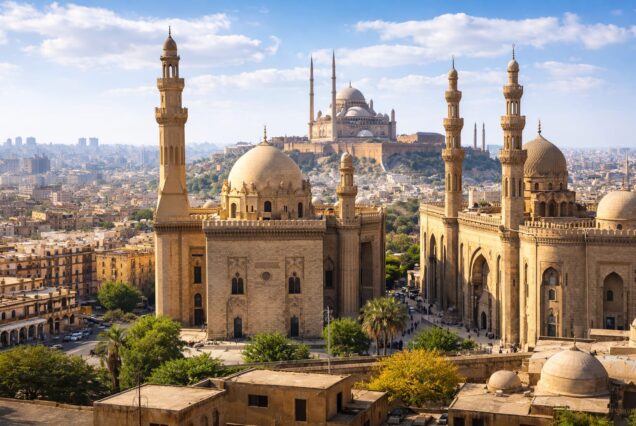
Mosque of Muhammad Ali – Iconic Ottoman Architecture
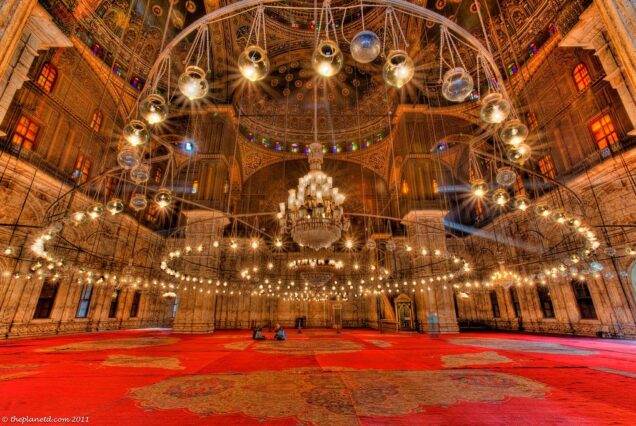
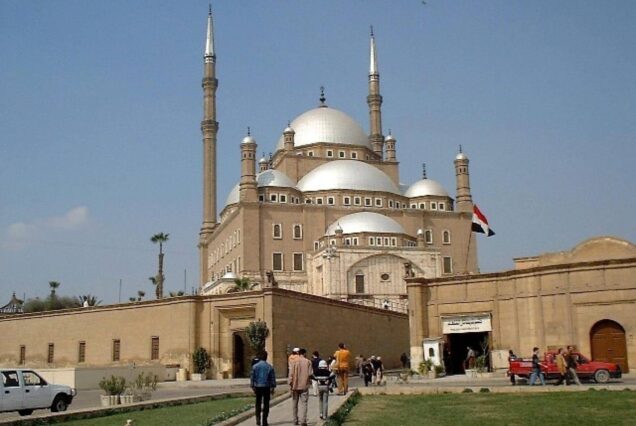
Visit the famous Alabaster Mosque, one of Cairo’s most recognizable landmarks, offering panoramic views of the city and insight into Ottoman influence in Egypt.
Khan El Khalili Bazaar – Heart of Islamic Cairo
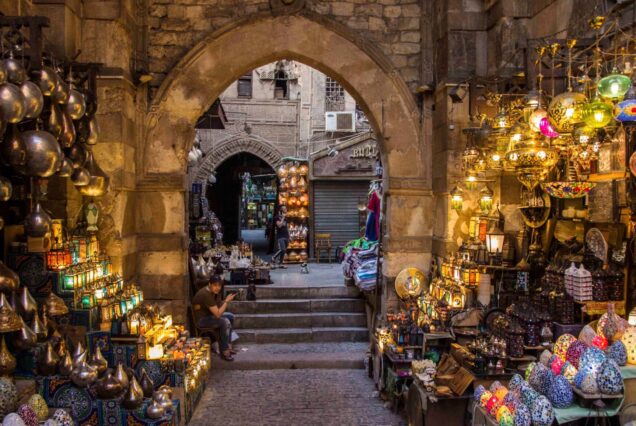
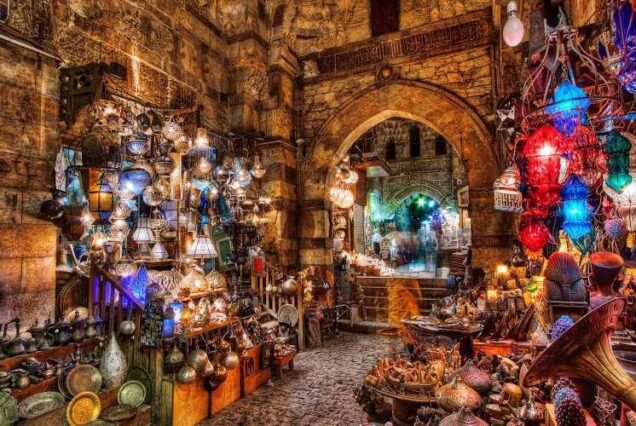
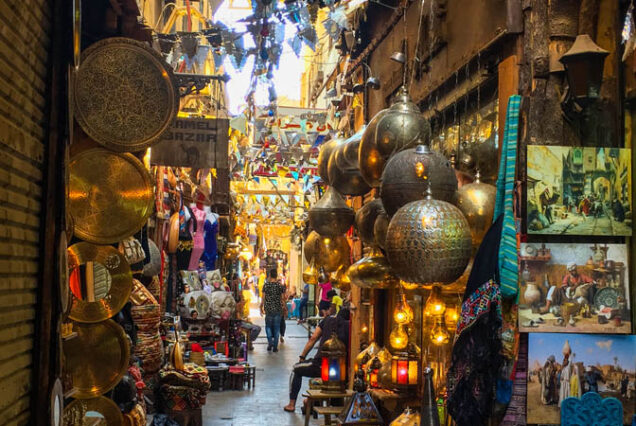
Walk through one of the oldest markets in the world, where trade, culture, and daily life have been continuously active for centuries.
Coptic Cairo – Spiritual and Historical Core
Discover one of the oldest Christian areas in the world, home to ancient churches and religious landmarks.
The Hanging Church – Architectural Marvel
Explore one of the most important Coptic churches, built above the ruins of a Roman fortress.
Ben Ezra Synagogue – Multi-Religious Heritage
Visit a historic synagogue that reflects Cairo’s diverse religious past and cultural coexistence.
Abu Serga & St. Barbara Churches – Sacred History
Step into sites deeply connected with early Christianity and the Holy Family’s journey in Egypt.

Important Pickup Information
Pickup and drop-off are included from hotels located in Cairo and Giza.
However, pickup or drop-off from the following locations will require an additional transfer fee due to the longer distance from the main tour route:
Cairo International Airport       Sphinx International Airport    New Administrative Capital
New Cairo                                         Heliopolis
Badr City                                           Shorouk City  El Rehab City
Obour City                                        Sheraton Al Matar
Sheikh Zayed City                          Madinaty
These areas are located farther from central Cairo and Giza, and therefore additional transportation costs may apply.

Add-ons:
One-way transfer from/to Cairo Airport: $25
Round-trip transfer from/to Cairo Airport: $60

Included/Excluded

  • Private, modern, air-conditioned transportation for a smooth journey
  • Hotel pickup and drop-off in Cairo or Giza for a stress-free experience
  • Professional Egyptologist tour guide
  • Shopping experience in Khan El Khalili
  • Complimentary bottled water throughout the tour
  • All taxes and service charges included with no hidden costs
  • Lunch at a local restaurant
  • Any extras not mentioned
  • Entrance fees to all mentioned sites
  • Optional activities not mentioned in the program
  • Airport/distant pickup fees.
  • One-way airport transfer — $25
  • Round-trip airport transfer — $60
  • Tips and gratuities
  • Personal expenses
  • Drinks during lunch
  • Additional transfers outside Cairo (extra cost)

Tour Plan

Stage 1 Hotel Pick-Up and Introduction to Cairo’s Historical Layers

Your day begins with a private pick-up from your hotel. The guide introduces Cairo not as a single historical period, but as a multi-layered city shaped by different civilizations over more than a thousand years.

Stage 2: Citadel of Saladin – Political and Military Power Center

Arrival at the Citadel marks the beginning of your journey into Islamic Cairo.
You will explore:
fortress walls and defensive structures
strategic location overlooking Cairo
historical significance during Ayyubid and Mamluk periods
The guide explains how the Citadel functioned as the seat of government for centuries, controlling both military and administrative systems.

Stage 3: Mosque of Muhammad Ali – Architectural and Religious Symbolism

Inside the Citadel, you visit the Mosque of Muhammad Ali.
Here you will discover:
Ottoman architectural influence
use of alabaster in design
symbolic representation of modern Egypt’s transformation
Panoramic views from the mosque provide a visual understanding of Cairo’s scale and density.

Stage 4: Lunch Break – Cultural and Culinary Experience

Enjoy a traditional Egyptian meal at a local restaurant, offering a break between historical phases of the tour.

Stage 5: Khan El Khalili – Commercial and Social Life

Continue to Islamic Cairo and enter Khan El Khalili Bazaar.
This experience includes:
navigating narrow market streets
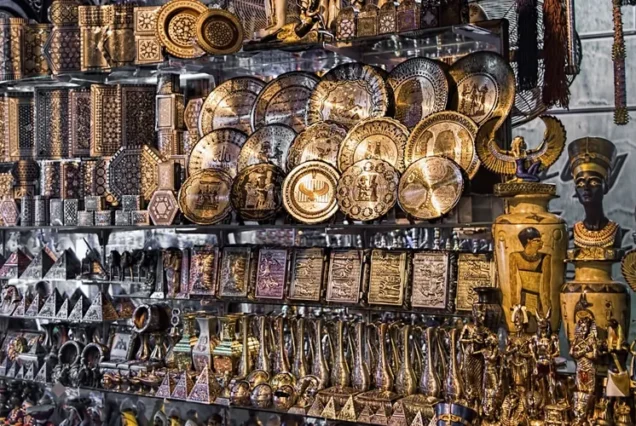
observing traditional crafts and workshops
understanding the historical role of trade in Cairo
This is not just shopping, but an exploration of economic history and cultural continuity.

Stage 6: Coptic Cairo – Spiritual and Religious Heritage

The final stage of the tour shifts focus to Coptic Cairo.
You will visit:
the Hanging Church
Ben Ezra Synagogue
Abu Serga Church
St. Barbara Church
The guide explains the development of Christianity in Egypt and the coexistence of different religions within the same urban space.

Stage 7: Return to Hotel

After completing the journey, you are transferred back to your hotel with a complete understanding of Cairo’s historical and cultural complexity.

In The Depth
Cairo as a Multi-Layered Historical System

Cairo is not a city defined by a single era, but a continuous urban system shaped by overlapping civilizations and evolving power structures. From its earliest phases, the city developed through layers that still coexist today, forming one of the most complex historical landscapes in the world.

Its development includes:

  • Roman and Byzantine foundations, particularly visible in areas like Coptic Cairo, where ancient fortifications such as Babylon still define the urban fabric
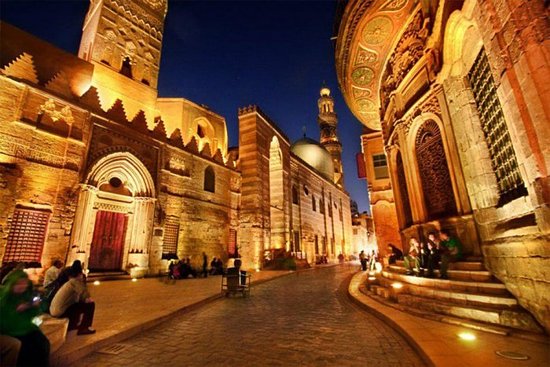
  • Islamic expansion and urban planning, which transformed Cairo into a major capital of the medieval Islamic world
  • Ottoman architectural influence, reflecting political and cultural connections to Istanbul
  • Modern transformations that integrated colonial and contemporary urban systems

Each district represents a distinct historical layer, yet all are interconnected. Cairo is therefore not just a city—it is a living historical organism, where past and present operate simultaneously.


The Citadel of Saladin and the Concept of Centralized Power

The Citadel of Saladin stands as one of the most powerful symbols of centralized authority in Egyptian history. Built in 1176 by Saladin on the heights of the Muqattam Hills, the fortress was designed not only for military defense but also as a clear political statement.

Its elevated position symbolized:

  • Control over the entire city
  • Protection against external invasions, particularly the Crusaders
  • The embodiment of centralized authority

From this strategic vantage point, rulers could:

  • Monitor the city and its movements
  • Defend against external threats
  • Maintain internal stability and political dominance

For over 700 years, the Citadel functioned as the seat of power in Egypt, making it one of the longest continuously used political structures in the region. Its importance continued through the Ayyubid, Mamluk, and Ottoman periods, until governance shifted to Abdeen Palace in the 19th century.

Architecture and Internal Composition

Architecturally, the Citadel represents a fusion of Islamic military engineering and advanced defensive planning. Massive walls, strong towers, and controlled gateways such as Bab al-Azab and Bab al-Muqattam demonstrate its strategic design.

Within its walls lies a complete urban complex including mosques, palaces, and museums. Among the most prominent landmarks are:

  • The Mosque of Muhammad Ali
  • The Mosque of Al-Nasir Muhammad (Mamluk period)
  • Military and royal museums

Today, the Citadel serves as both a cultural landmark and a panoramic viewpoint overlooking Cairo and the Nile.


Ottoman Influence in Egypt through the Mosque of Muhammad Ali

The Mosque of Muhammad Ali represents a pivotal moment in Egypt’s transformation during the 19th century. Built between 1830 and 1848 by Muhammad Ali Pasha, the mosque reflects a deliberate shift toward Ottoman identity and modernization.

Its architectural style is heavily influenced by Istanbul, particularly resembling the great imperial mosques. This reflects:

  • Strong cultural and political ties to the Ottoman Empire
  • An attempt to modernize the Egyptian state
  • Integration into a broader Islamic and imperial framework

The mosque’s defining features include:

  • Extensive use of alabaster, symbolizing wealth and prestige
  • Massive central dome surrounded by semi-domes
  • Slender minarets that dominate Cairo’s skyline

Beyond its religious function, the mosque serves as a visual declaration of power, legitimacy, and ambition in a changing political landscape.


Khan El Khalili and the Economics of Medieval Cairo

Khan El Khalili is far more than a traditional market—it is a fully developed economic system that reflects the sophistication of medieval Cairo. Established in the 14th century during the Mamluk era under Sultan Barquq and developed by Emir Jarkas al-Khalili, the market became a major international trade hub.

It functioned as:

  • A major center for international trade
  • A connection point between Africa, Asia, and Europe
  • A dynamic space for artisans, merchants, and economic exchange

Urban and Economic Structure

The organization of the bazaar reveals advanced economic planning, including:

  • Specialization of goods, where each street focuses on a specific craft (gold, copper, textiles, perfumes)
  • Guild systems regulating production and trade
  • A structured urban commercial network integrated into the wider city

Cultural and Social Life

Khan El Khalili is also a cultural space where history merges with daily life. Its narrow alleys, decorated domes, and wooden mashrabiyas preserve the spirit of the Mamluk period. Traditional workshops continue to produce handcrafted goods, sustaining centuries-old techniques.

The market has long attracted intellectuals and artists, including Naguib Mahfouz, who drew inspiration from its vibrant atmosphere. Historic cafés such as Al-Fishawi serve as social hubs where locals and visitors interact.

Today, the bazaar remains a vital economic and cultural center, embodying the continuity of Cairo’s commercial traditions.


Coptic Cairo and Early Christianity in Egypt

Coptic Cairo represents one of the earliest and most significant centers of Christianity in the world. Located in the area of Old Cairo near the ancient Roman fortress of Babylon, it reflects the deep roots of Christian heritage in Egypt.

Historical Background

This area dates back to the first centuries CE and is closely associated with the journey of the Holy Family into Egypt. Over time, it developed into a major religious and administrative center for the Coptic Church.

Religious and Architectural Landmarks

Coptic Cairo includes a remarkable concentration of sacred sites, such as:

  • The Hanging Church (built above the Roman fortress of Babylon)
  • The Church of Abu Serga, believed to shelter the Holy Family
  • The Ben Ezra Synagogue, reflecting the Jewish heritage of the area
  • The Coptic Museum, which houses one of the most important collections of Coptic art in the world

These structures demonstrate how Christianity adapted within the Egyptian cultural and architectural context, blending local traditions with religious identity.

Cultural Significance

Coptic Cairo is not only a religious site but also a symbol of continuity. It reflects the survival and evolution of Christian communities within a predominantly Islamic society, highlighting Cairo’s unique social fabric.


Religious Coexistence and Urban Integration

One of Cairo’s most distinctive characteristics is the close proximity of:

  • Mosques
  • Churches
  • Synagogues

This spatial relationship reflects a long historical pattern of coexistence rather than segregation. Different religious communities developed within shared urban spaces, contributing to a collective cultural identity.

Rather than being isolated, these communities interacted economically, socially, and culturally, creating a city defined by diversity and integration.


Architecture as Identity

Architecture in Cairo is not merely aesthetic—it is a direct expression of identity, power, and function. Each site discussed reflects a different architectural philosophy:

  • The Citadel: defense, surveillance, and centralized control
  • The Mosque: spirituality, symbolism, and imperial ambition
  • The Bazaar: function, trade, and economic vitality
  • The Churches: community, continuity, and religious identity

Together, these structures form a comprehensive narrative of Cairo’s historical evolution.


Cairo as a Living Museum

Unlike static archaeological sites, Cairo is a living museum where history is not frozen in time but actively integrated into daily life. Markets still operate as they did centuries ago, religious practices continue uninterrupted, and historic districts remain inhabited.

This creates a dynamic experience in which visitors do not simply observe history—they engage with it.


Cultural Continuity Across Centuries

The traditions seen today in Cairo—from craft production in Khan El Khalili to religious rituals in mosques and churches—are direct extensions of historical systems established centuries ago.

This continuity highlights the resilience of cultural practices and the ability of Cairo’s society to preserve its heritage while adapting to change.


Reframing Cairo Beyond Tourism

This integrated perspective allows Cairo to be understood not merely as a tourist destination, but as a complex and evolving system shaped by power, religion, trade, and culture.

Through sites like the Citadel of Saladin, Mosque of Muhammad Ali, Khan El Khalili, and Coptic Cairo, visitors can trace the layers of history that define the city.

Cairo ultimately emerges as a living narrative—one where every street, building, and tradition contributes to a broader story of human civilization.

FAQ Is this tour suitable for first-time visitors?

Yes, it covers the most important highlights of Cairo.

Is the tour private?

Yes, fully private and customizable.

How long does the tour last?

Approximately 8 hours.

Is it safe?

Yes, completely safe with a professional guide.

Is it suitable for families?

Yes, it is family-friendly and for all ages,especially for educational purposes

Are airport transfers available?

Yes, with additional cost.

Is lunch included?

Yes, lunch is included.

Is this a private tour or group tour?

This is a fully private tour. All transportation, guiding, and timing are customized to the traveler.

How does traffic impact the tour duration?

Cairo traffic can be unpredictable, but маршруtes are strategically planned to optimize time efficiency.

Are there hidden sites included in the tour?

Depending on timing, guides may introduce lesser-known architectural details and viewpoints not typically included in standard itineraries.

Is this tour suitable for luxury travelers?

Yes. The experience is designed to meet premium travel standards, including private transport and personalized service.

Are entrance fees included?

Entrance fees are not included.

Travel Guide Best Time to Visit

The ideal time to take this tour is between October and April when temperatures are moderate and suitable for activities.

Why Book With Luxuryniletour.com

Luxuryniletours.com provides:
expert guides
private experiences
transparent pricing
high-quality service
Each tour is designed to combine knowledge with comfort.

Call to Action

Explore Cairo through its most powerful symbols of history, religion, and culture.
Book your Cairo Citadel, Khan El Khalili & Coptic Cairo Tour today and experience the city as a complete historical journey—not just a visit.
Tour Map

Reviews

There are no reviews yet.

Be the first to review “Cairo Citadel, Khan El Khalili & Coptic Cairo Tour – Ultimate Cultural & Historical Experience”

Your email address will not be published. Required fields are marked *

From
$70.00 $100.00
Booking Form
Request Form

Guests

2

Adults

$70.00

Children

$50.00

File

Deposit Option 50% Per item
Available:
Total:

Guests

2

Adults

$70.00

Children

$50.00

File