

Hieroglyphs for Travelers: 10 Ancient Egyptian Symbols You’ll See Everywhere
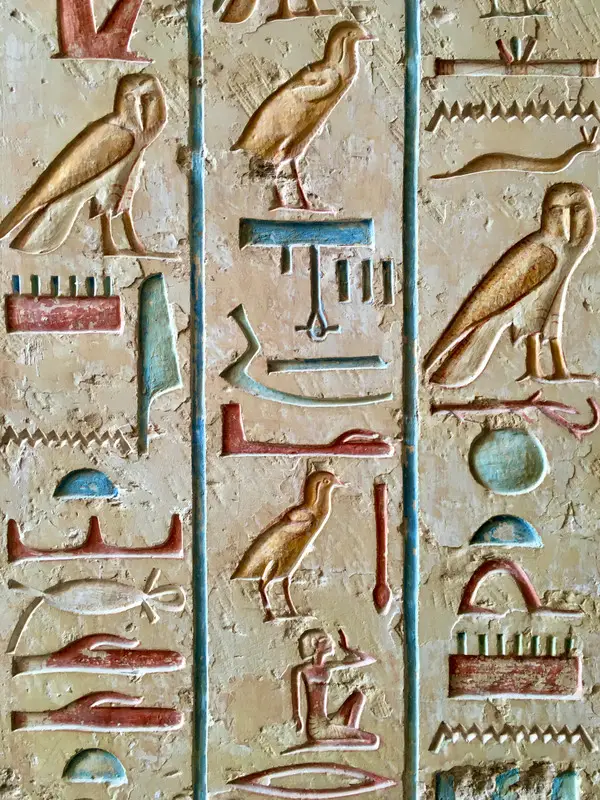
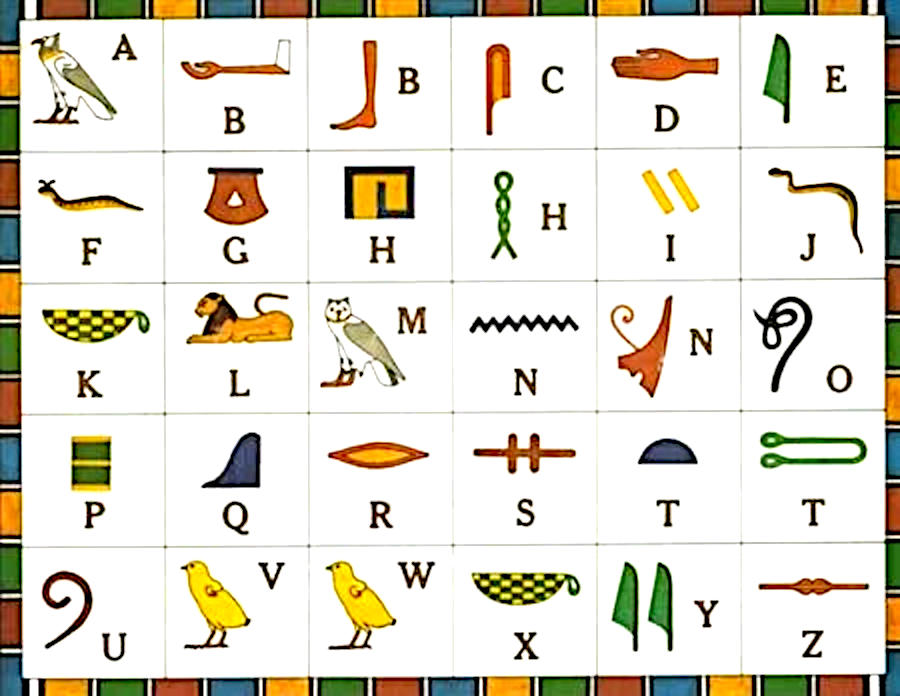
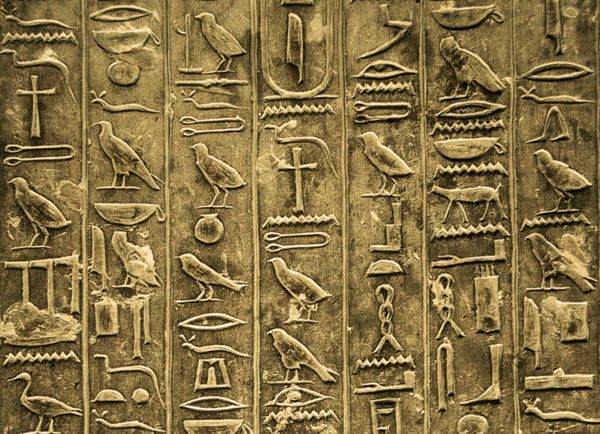
Egypt’s hieroglyphs are like a visual puzzle from the past — sacred writing carved into stone, painted on tombs, and glowing on temple walls. Many travelers are curious, staring at these symbols, wondering: What do they mean?
You don’t need to be a professional Egyptologist to enjoy reading a few common signs. Knowing just a handful of hieroglyphs can turn every temple wall into a conversation with ancient Egypt.
Here are 10 hieroglyphs you’ll see everywhere — explained simply, so you can recognize them on your journey.
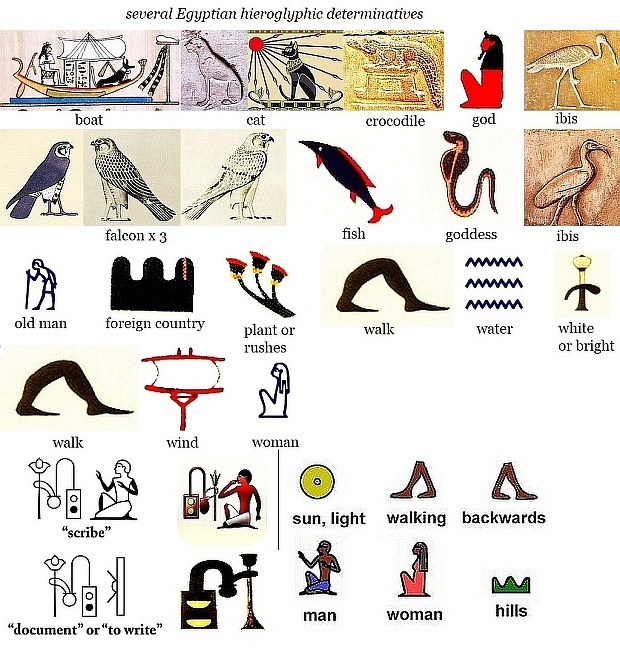
1. The Vulture (𓆉) — Goddess Nekhbet
Represents protection and Upper Egypt. Often seen spreading her wings over a king’s name, symbolizing divine guardianship.
2. The Cobra (𓆗) — Goddess Wadjet
The cobra represents Lower Egypt, royal power, and divine fire. You’ll see it on crowns, ready to spit flame at enemies of the king.
3. The Sun Disc (𓇳) — Ra or “Day”
A perfect circle with a dot, the solar disk stands for the sun god Ra, time, and the concept of “day.” It’s one of the most common symbols in all temple inscriptions.
4. The Ankh (𓋹) — Life
A cross with a loop at the top. The ankh is the famous “key of life,” symbolizing eternal life and divine breath. Gods are often shown handing it to pharaohs.
5. The Djed Pillar (𓊽) — Stability
Looks like a column with horizontal lines. It represents the backbone of Osiris and is a sign of strength, endurance, and resurrection.
6. The Was Scepter — Power
A long staff topped with an animal head and forked base. A sign of authority and dominion, often held by gods and kings.
7. The Falcon (𓅃) — Horus
Symbol of kingship, protection, and the living pharaoh. The falcon god Horus appears everywhere, especially in temples connected to royal power.
8. The Water Ripple (𓈗) — Water or “N” Sound
A simple zig-zag line representing water or the letter “N.” It shows up in countless words and names.
9. The Reed Leaf (𓇋) — The “I” Sound
A tall, straight leaf used as a basic letter. Useful when you try to spot personal names inside royal cartouches.
10. The Scarab Beetle (𓆣) — Khepri, Transformation
The dung beetle rolling the sun across the sky symbolized rebirth and cosmic movement. Often carved on amulets and temple walls.
How to Enjoy Them on Your Trip
Look for cartouches — oval shapes enclosing royal names. You’ll recognize common symbols like the sun disc, reed leaf, or scarab inside them.
Don’t worry about translating everything. Even recognizing one or two signs will make every wall feel alive.
Ask your guide! Licensed Egyptologists love pointing out meanings — it makes the journey personal and fascinating.
Final Thoughts
Learning a few hieroglyphs is like unlocking a secret code. Suddenly, temple walls aren’t just decoration — they’re messages from a world thousands of years old.
Where Will You See These Symbols?
These hieroglyphs appear throughout Egypt, but some sites are particularly rewarding for travelers interested in ancient writing.
Don’t miss:
- Karnak Temple
- Luxor Temple
- Valley of the Kings
- Temple of Hatshepsut
- Edfu Temple
- Kom Ombo Temple
- Philae Temple
- Abu Simbel
- Dendera Temple
Many of these monuments preserve hieroglyphs so clearly that visitors can still recognize individual symbols after more than three thousand years.
Tips for Spotting Hieroglyphs During Your Visit
You don’t need to translate every inscription to appreciate Egypt’s ancient writing.
Instead:
- Look for oval cartouches enclosing royal names.
- Try identifying familiar symbols like the ankh or scarab.
- Notice repeated signs appearing throughout temple walls.
- Ask your Egyptologist guide to explain a few inscriptions.
- Visit temples early or late in the day when sunlight highlights the carvings.
Learning even a handful of symbols will completely change the way you experience Egypt’s monuments.
Final Thoughts
Hieroglyphs are far more than ancient decorations—they are the voice of one of the world’s greatest civilizations. Every symbol carved into a temple wall tells a story about religion, kingship, daily life, or humanity’s search for eternity. By recognizing just a few common hieroglyphs, you’ll discover that Egypt’s temples become far more than collections of stone monuments—they become living history books waiting to be explored.
Whether you’re standing beneath the towering columns of Karnak, wandering through the royal tombs in the Valley of the Kings, admiring the elegant reliefs of Philae, or watching the sunrise at Abu Simbel, these ancient symbols create a direct connection with people who lived thousands of years ago. Understanding them, even at a basic level, adds a new dimension to every journey through Egypt and transforms every visit into a richer, more meaningful adventure.